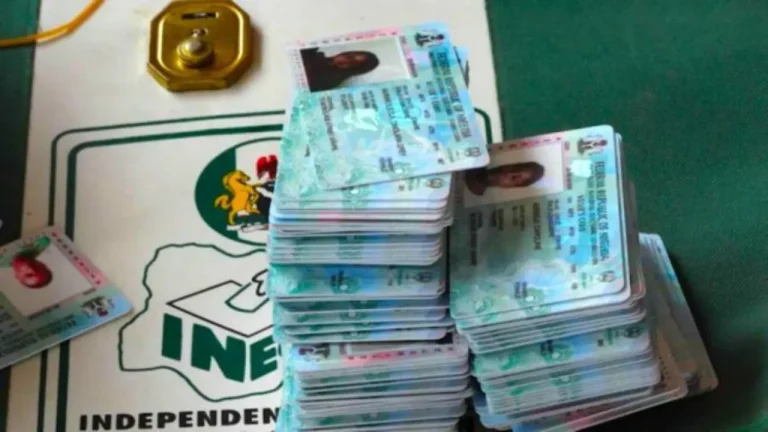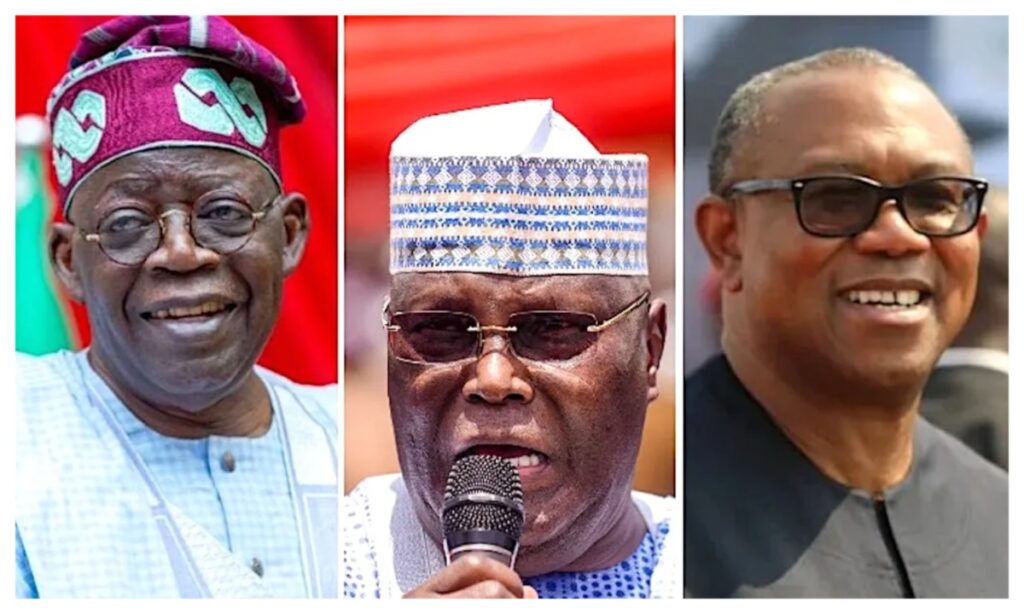
The Socio-Economic Rights and Accountability Project has called on all 19 presidential candidates cleared by the Independent National Electoral Commission to voluntarily disclose their assets and liabilities ahead of the 2027 general election.
In a statement issued by its deputy director, Kolawole Oluwadare, the civil society organisation urged the candidates to go further by publishing the assets of their spouses and unmarried children under the age of 18. SERAP also demanded that the aspirants reveal the legitimate sources of their significant wealth and publicly renounce vote-buying and electoral bribery before and during the polls.
The group argued that candidates seeking the nation’s highest office should exceed the minimum legal requirements and adopt higher standards of transparency, accountability and integrity. “Candidates asking Nigerians to entrust them with enormous constitutional powers over public finances, natural resources, appointments and security institutions should be willing, before asking for their votes, to demonstrate that their personal financial affairs can withstand reasonable public scrutiny,” the statement read.
SERAP emphasised that Nigeria’s democracy belongs to its citizens and warned that votes must not be bought or public office treated as private property. “Those seeking the highest public office must be willing to meet the highest standards of transparency, accountability and integrity,” the organisation said.
The call comes amid persistent concerns over the opacity of political financing in Africa’s most populous democracy. While Nigerian law requires public officers to declare assets, compliance has historically been inconsistent and verification mechanisms remain weak. Civil society groups have long advocated for proactive disclosure as a tool to deter illicit enrichment and strengthen public trust.
Analysts say voluntary asset publication by presidential aspirants would set a precedent for down-ballot candidates and signal a commitment to clean governance. However, without statutory enforcement or independent verification, such disclosures rely largely on political will.
INEC has yet to respond to the proposal. The electoral commission is expected to release the final timetable and guidelines for the 2027 election cycle in the coming months.