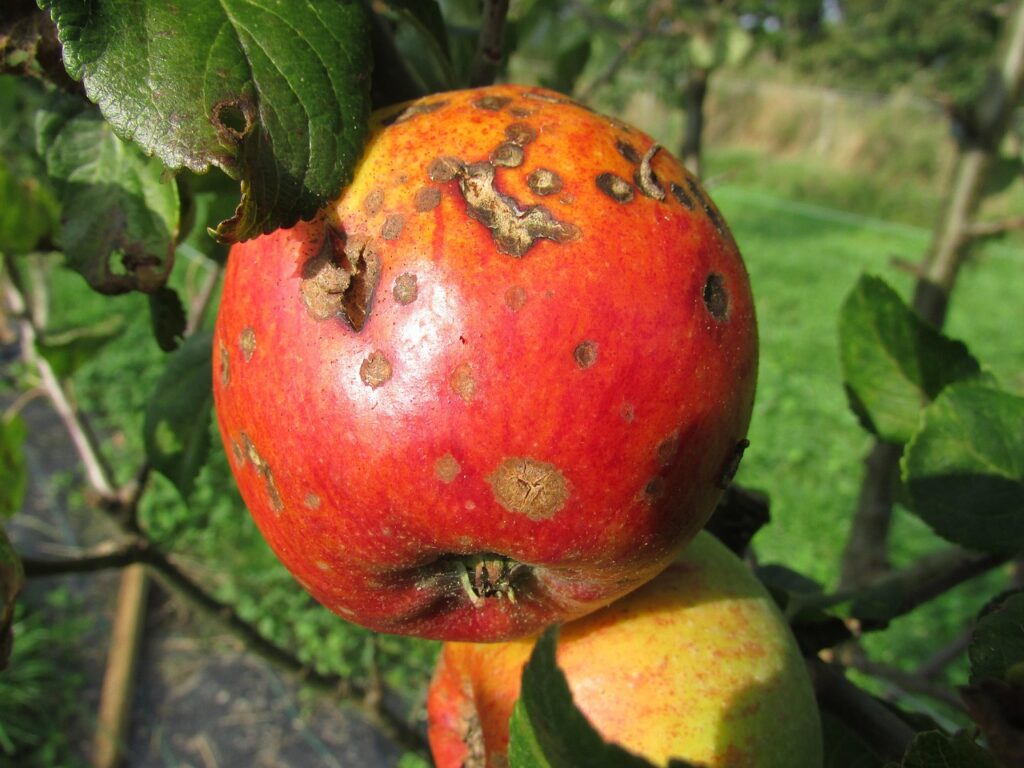
Beneath the soil, inside our food, and across every leaf that catches the sun, a silent battle rages. The combatants are microscopic, the stakes are global, and the outcome determines whether we eat or lose billions of tons of harvest each year. This is the world of fungicide research, where scientists are not just killing mold—they are decoding the very DNA of life itself.
Fungi are not simple pests. They are ancient, eukaryotic survivors that have adapted to every corner of the planet, from volcanic vents to Antarctic ice. With more than one hundred thousand named species and likely millions yet undiscovered, they are the planet’s master recyclers, breaking down wood, feeding plant roots, and even shaping the atmosphere through the carbon cycle. But when these organisms turn against our agriculture, they become a threat that can wipe out entire fields in days.
The chemicals we deploy against them are far from one-size-fits-all. Each fungicide is a precision tool, engineered to exploit a specific weakness in the fungal cell. Some, like the azoles, block the production of ergosterol, a vital component of the fungal membrane. Others, such as the phenylamides, slip inside the organism and jam the machinery of its RNA synthesis. This chemical arsenal is constantly evolving, as researchers chase compounds that are deadlier to pathogens but gentler on the environment.
Yet every spray that lands on a crop also lands somewhere else. Runoff carries these compounds into rivers, where they can harm aquatic life. Drift sends them into the air, where they may settle on wildflowers and disrupt pollinators. Scientists are increasingly wary of this collateral damage, pushing for smarter strategies that go beyond the chemical bottle. Integrated pest management—a blend of resistant crop varieties, natural predators, and targeted chemical use—is emerging as the gold standard, reducing reliance on fungicides while still keeping blight at bay.
The frontier of this research is now in the lab, where genomics and transcriptomics are rewriting what we know about fungal evolution. By mapping the genomes of both crops and pathogens, scientists can pinpoint the exact mutations that confer resistance—and then design new molecules to outmaneuver them. Even more promising is the discovery of natural compounds produced by fungi themselves, which are being repurposed as next-generation treatments that work with nature rather than against it.
But the greatest lesson from this field is humility. Fungi have survived for over a billion years by adapting to every threat we throw at them. As we develop ever more sophisticated weapons, we must remember that we are not conquering nature—we are negotiating with it. The future of fungicide research lies in that delicate balance: protecting our food supply without sacrificing the living systems that sustain us.