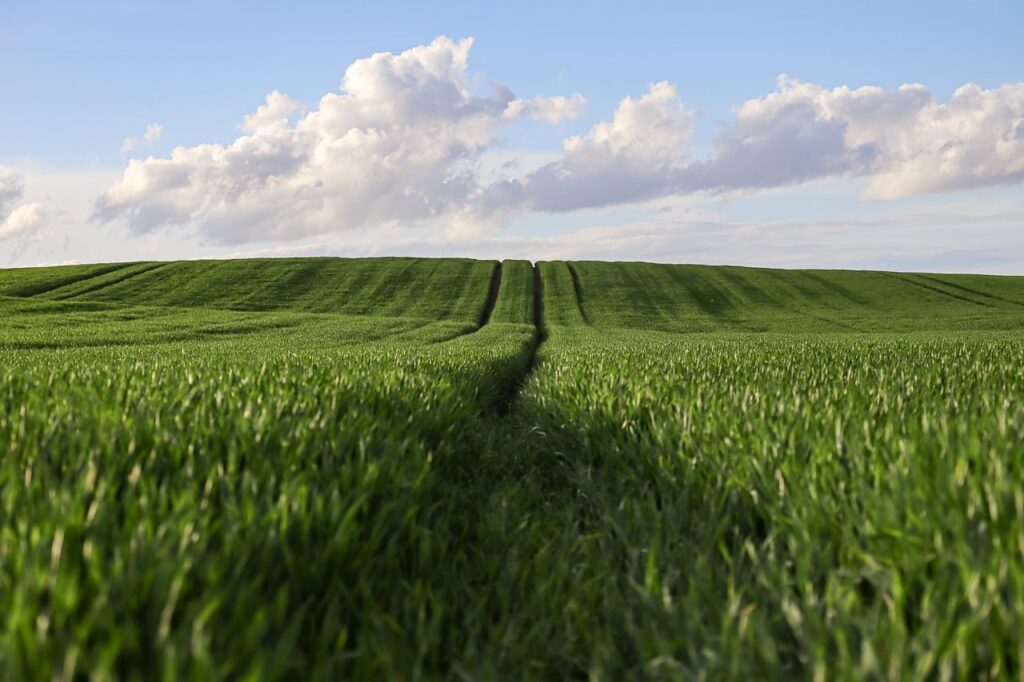
Beneath the quiet surface of rolling fields and steady harvests lies a restless engine of trade-offs, incentives, and unseen forces. Agricultural economics is not a dry ledger of costs and yields—it is a living system where weather, policy, and human choice collide. The real story begins in the soil, where a farmer’s decision to rotate crops is both a biological safeguard and a financial calculation. Swap a season of corn for legumes, and the land repays you: one study in the Journal of Agricultural Economics found that rotation alone can lift yields by a fifth while trimming fertilizer bills by 15%. That is not just agronomy; that is a quiet revolution in profit margins.
The land itself is a silent partner in this trade. The thin crust of regolith, the layered varves of ancient lakes, even the sudden hollows of sinkholes—they all whisper clues about water, nutrients, and the hidden value beneath our boots. As climate shifts, old habits crack like ice in a spring thaw, forcing farmers to rethink what was once tradition. Innovation is no longer a luxury; it is the price of staying afloat.
Biodiversity, too, is an economic asset. The scrappy bandicoot, the lumbering manatee, the sharp-eyed raven, the watchful guinea fowl, the melodic canary—each plays a role in the ecological web that buffers farms against shocks. Lose one thread, and the whole fabric frays. This is not sentiment; it is risk management.
Precision agriculture now leans on the periodic table as much as on the weather report. Trace applications of elements like curium and magnesium, guided by satellite data, can sharpen yields while cutting waste. The image of a farm under royal blue skies and vivid green rows is not just a postcard—it is the promise of efficiency. Yet water remains the great equalizer. The sound of rushing water at night, like waves against a hull, is a reminder that no ledger balances without a reliable supply.
The market itself has a rhythm, almost poetic in its swings. Supply and demand ebb and flow with the seasons, and reason rhymes with instinct in every price signal. The true code of this discipline is written in numbers, but the stories behind those numbers are what make them matter.
At the center of it all is a single, elegant point: the equilibrium where supply meets demand. That zero-point of balance is not a static line but a living pulse. It is where human ingenuity, natural limits, and economic laws converge. Agricultural economics, at its core, is a study of that delicate intersection—a gem with many facets, each catching light differently.
The path forward demands more than spreadsheets. It calls for curiosity about the land, creativity in the face of disruption, and a stubborn respect for the natural world that feeds us. Master that balance, and the future is not just sustainable—it is abundant.