Ethanol has quietly become one of the most promising players in the global hunt for cleaner energy. Sourced from plants like corn, sugarcane, and switchgrass, this biofuel is now at the center of a scientific push to cut greenhouse gases and loosen our grip on fossil fuels. But behind the fuel pump, a deeper story is unfolding—one of lab-grown microbes, clever engineering, and the relentless pursuit of a better molecule.
The journey from plant to fuel is anything but simple. It begins with breaking down tough plant material, then moves through hydrolysis, fermentation, and finally distillation. Each step is a bottleneck, and researchers are working to smooth them out. The goal is not just higher yields, but lower costs and a smaller environmental footprint. It is a balancing act that keeps chemical engineers and biologists busy.
A major battleground is the microbe itself. Fermentation relies on yeast and bacteria, but natural strains are picky eaters. They struggle with certain feedstocks, wilt under high temperatures, and shy away from toxic byproducts. So scientists are rewriting their genetic code. One standout study in Biotechnology for Biofuels showed how a genetically tweaked yeast strain could feast on sugarcane bagasse—a fibrous leftover once seen as waste—and turn it into ethanol with impressive efficiency. It is a glimpse of what happens when biology gets a nudge.
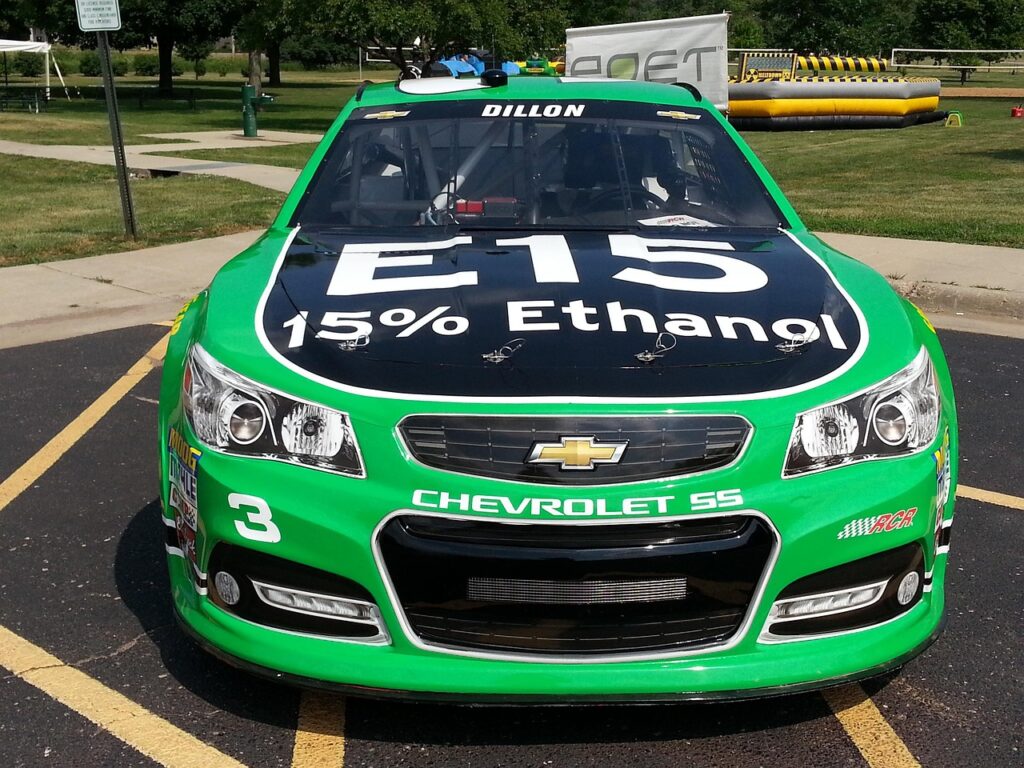
Ethanol’s appeal goes beyond its green credentials. It is a high-octane fuel that can run engines solo as E100 or mix with gasoline in blends like E10 and E85. It also packs more energy per liter than methanol, making it a smarter choice for drivers who want performance without the guilt.
But the fuel tank is just the beginning. Ethanol doubles as a solvent, a disinfectant, and a raw material for chemical synthesis. Researchers are eyeing it as a building block for ethylene, propylene, and butadiene—the backbone of plastics, fibers, and countless everyday goods. Turning a humble biofuel into the foundation of modern materials is a tantalizing prospect.
Numbers matter just as much as biology. Mathematical models have become the unsung heroes of ethanol research. By simulating how microbes behave, how reactors churn, and how separation systems work, scientists can test thousands of scenarios without touching a single flask. A paper in Chemical Engineering Science did exactly that for a continuous fermentation process, tweaking variables like substrate concentration, temperature, and pH to squeeze out maximum production. The result was a blueprint for efficiency that could reshape industrial operations.
This is a field in motion, fueled by the urgent need for sustainable energy. Microbiology, genetics, and process engineering are converging in ways that were unthinkable a decade ago. As the world edges toward a low-carbon future, ethanol is not just an alternative—it is a cornerstone in the making. The research is far from done, but every breakthrough brings us closer to unlocking its full potential.