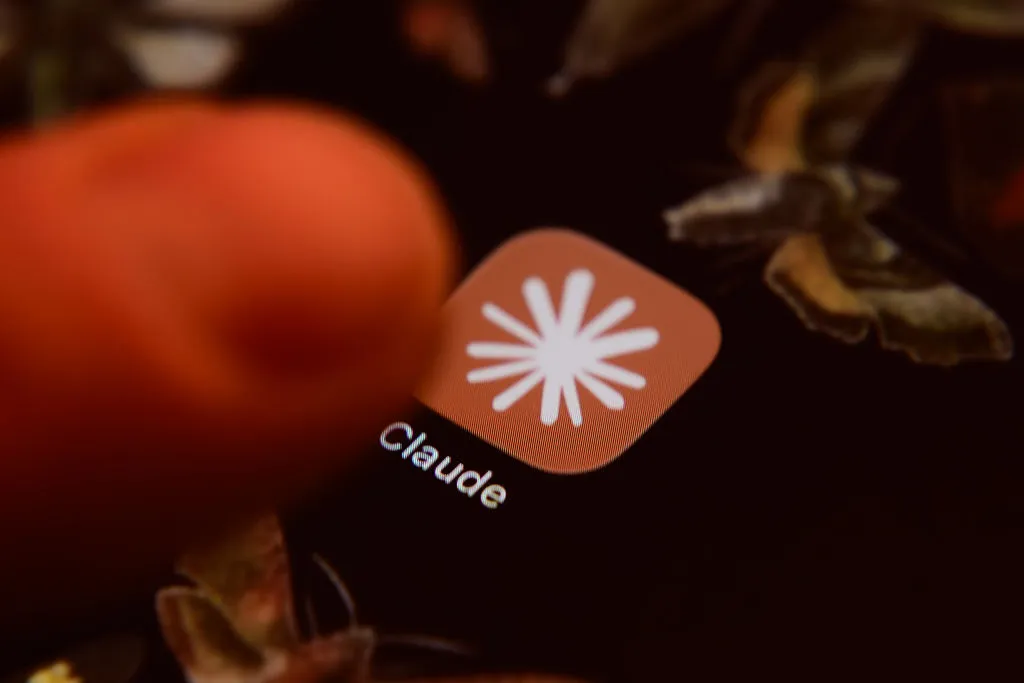
Anthropic has begun watermarking output from its Claude chatbot, embedding invisible markers to identify AI-generated text in compliance with the European Union’s AI Act transparency requirements. The policy rollout satisfies the EU AI Act’s Transparency Code, which mandates that AI-generated or edited content be labeled in a machine-readable format. While regulators may welcome the step, the decision has sparked debate among users on platforms such as Reddit.
A vocal critic, using the handle “visionode” on a three-week-old account, described the system as a “draconian conspiracy” targeting ordinary users. The poster argued that students reorganizing paragraphs, journalists summarizing transcripts, and writers seeking synonyms would be unfairly marked with a “digital tattoo.” However, other users pushed back, noting that such cases typically involve verbatim copying of AI output — a practice widely considered unethical in academic and journalistic contexts. “Get a load of this guy,” one commenter wrote, while another urged the poster to “take a deep breath.”
Another user labeled the watermarks “unethical” and “disgusting,” insisting they performed the creative labor while Claude served merely as a tool. “I gave the instructions, context, decisions, and countless refinements,” the user wrote. Rebuttals emphasized that watermarking aims not to claim credit but to enable detection of AI content due to risks like misinformation or fraud. One response noted the irony of complaining about Claude while allegedly using it to write the complaint.
A more nuanced objection raised the irony of watermarking outputs from models trained on vast amounts of human-created data without consent. “Having an AI that watermarks your work is terrifyingly ironic given how many of the frontier models came by their training data,” one poster argued.
Despite the dissent, many users supported the measure as a necessary safeguard. “There is literally no good argument for why this isn’t a good idea,” one wrote. “The only reason you wouldn’t want this is to lie to people.”
Anthropic’s implementation reflects a growing regulatory push for accountability in generative AI. As the EU AI Act takes effect, similar transparency measures are likely to become standard across the industry, shaping how AI-generated content is identified and governed worldwide.