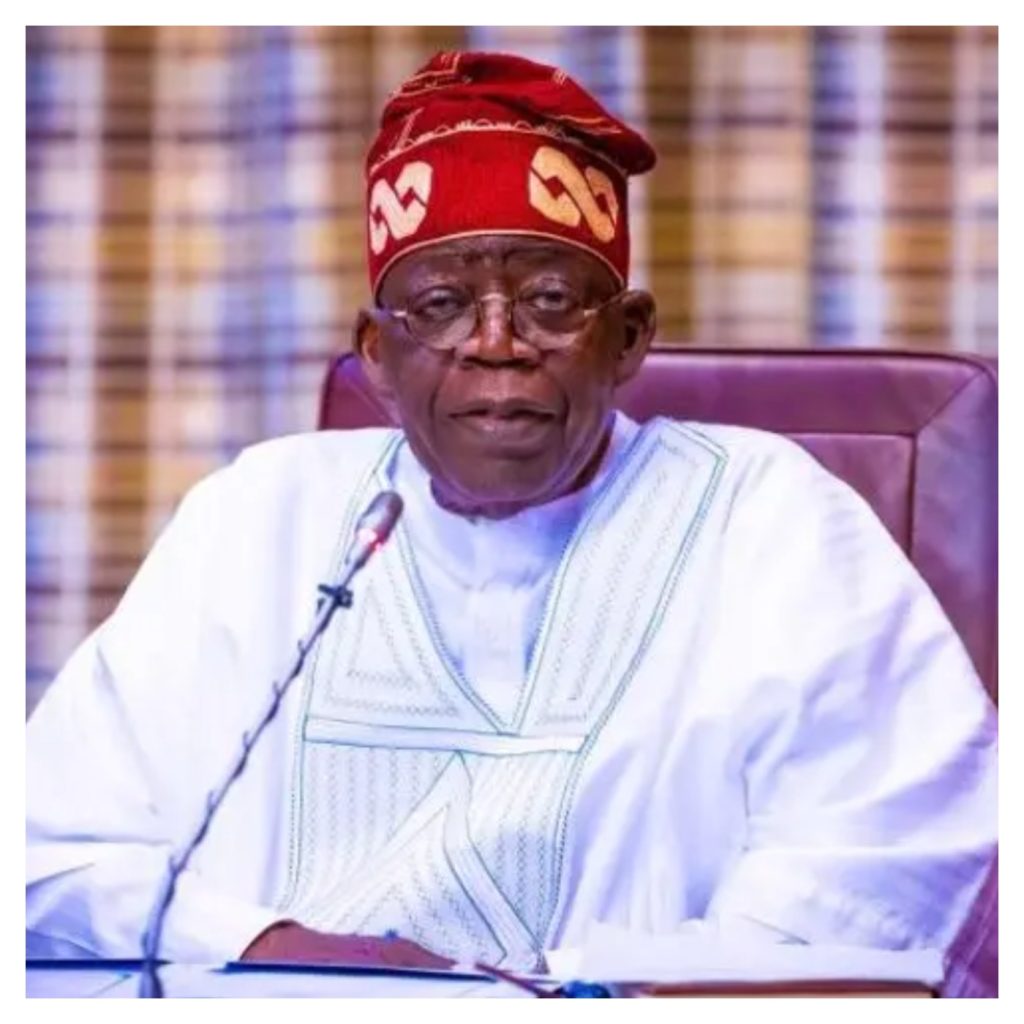
President Bola Tinubu has pledged to revive the Nigerian National Petroleum Company Limited (NNPCL) refineries, emphasizing that true operational success is measured by profitability rather than mere mechanical activity.
The president made the commitment during a meeting with the leadership of the Nigeria Union of Petroleum and Natural Gas Workers (NUPENG) at the Presidential Villa in Abuja. Tinubu acknowledged the sector’s inherited complexities, accepting full responsibility for the assets and liabilities passed down from previous administrations.
“The refineries you mentioned, NNPCL, will come back to work,” Tinubu told the union delegation. “Ordinary flame and smoke of a refinery doesn’t mean it’s working until it’s profitable and yields the value for which it was built.”
The president framed the rehabilitation effort as a non-negotiable obligation to the Nigerian people. He stressed that years of dormancy had made the refineries his direct responsibility, vowing to restore them to generate maximum value for the population.
Tinubu’s remarks signal a shift from previous revival attempts that focused on technical restarts without addressing commercial viability. By tying success to profitability, the administration appears to be prioritizing sustainable operations over symbolic reopenings.
The NUPENG engagement underscores the labor dimension of the reform agenda. As the primary workforce union in the oil and gas sector, its cooperation is considered essential for any lasting turnaround of the downstream infrastructure.
Energy analysts have long argued that Nigeria’s refineries require not just technical upgrades but a fundamental restructuring of governance, supply chains, and pricing mechanisms to operate competitively. The president’s focus on value generation suggests an awareness of these structural prerequisites.
The commitment comes amid persistent fuel supply challenges and foreign exchange pressures that have strained the Economy. A functional domestic refining capacity would reduce import dependence, conserve foreign reserves, and stabilize domestic fuel prices — outcomes that remain central to the administration’s economic recovery narrative.
Success will ultimately depend on translating presidential directive into coordinated action across the NNPCL, regulatory agencies, and the ministry of petroleum resources, while maintaining transparency in the rehabilitation funding and execution.