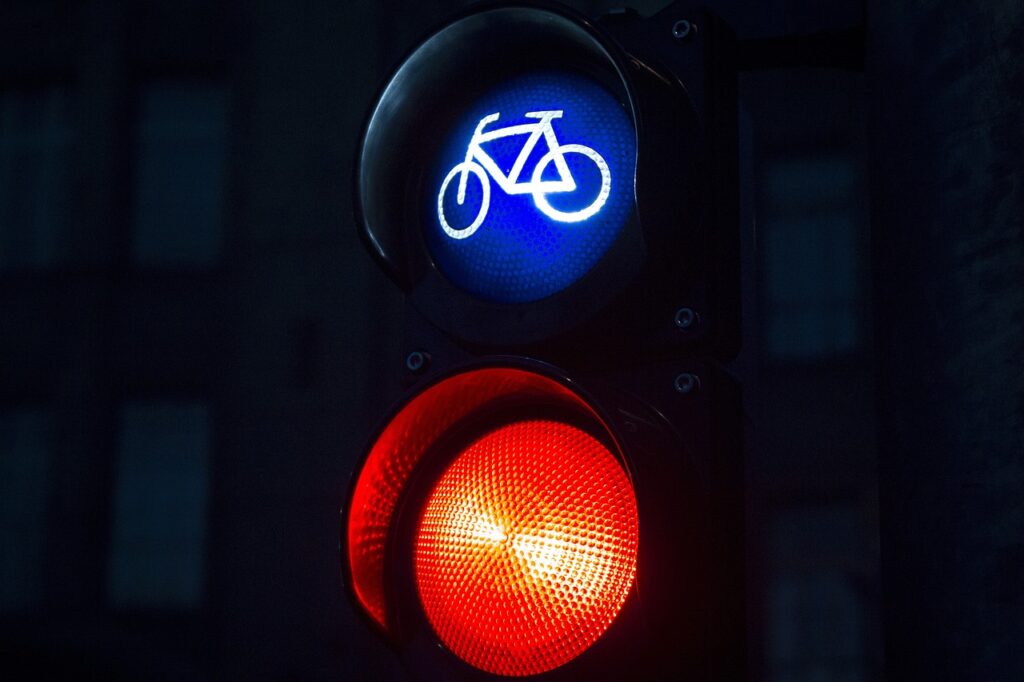
Traffic engineering rarely makes headlines, yet it shapes the rhythm of every city. Every green light that nudges you forward, every crosswalk that clears just as you reach it, every bus that arrives on time—these are the quiet victories of a discipline that blends infrastructure, data, and human behavior into a seamless urban flow.
The real revolution happening in this field is invisible to most commuters. It’s called intelligent transportation systems, or ITS, and it’s transforming the way cities respond to the chaos of daily movement. Picture a downtown where traffic lights don’t just run on timers but actually think. They sense a growing queue at an intersection and extend the green a few extra seconds. They detect a stalled car in a tunnel and instantly reroute emergency crews. They watch bus loads and adjust signals to let a late-running vehicle slip through. This isn’t a futuristic fantasy—it’s happening now in cities that have embraced adaptive signal control.
The old way of managing traffic was static. Fixed timers meant a side street got its 30 seconds of green whether it was empty or backed up for blocks. That rigidity created the frustrating stop-and-go patterns we all know. Smart signals change the equation. Equipped with cameras, radar, and real-time analytics, they respond to what’s actually happening on the pavement. The results are striking: congestion drops by as much as a fifth, travel times shrink by a tenth, and emissions fall by fifteen percent. For a city, those numbers translate into millions of hours saved and cleaner air for everyone.
Surveillance is another cornerstone of modern traffic management. Cameras and sensors now monitor roads continuously, tracking speed, volume, and incidents as they unfold. When a crash occurs, the system doesn’t just record it—it reacts. Advanced video analytics can spot a pedestrian stepping into traffic, a collision in a blind curve, or debris scattered across a lane, and within seconds, alerts reach the right responders. This rapid detection cuts the time roads stay blocked, reducing secondary accidents and keeping traffic moving.
Public transit is also getting a digital upgrade. By syncing bus and train schedules with live road conditions, engineers can shave minutes off commutes and pack more passengers into each vehicle. Riders benefit from real-time information systems that tell them exactly when the next bus arrives or when a delay strikes, turning the uncertainty of waiting into a predictable experience. This integration makes transit a more attractive option, which in turn eases pressure on congested streets.
Looking ahead, the field is on the cusp of a deeper transformation. Artificial intelligence is learning to predict traffic patterns before they form, allowing cities to act proactively rather than reactively. Internet of Things sensors are building a living map of road conditions, weather, and air quality, giving planners a holistic view of urban mobility. And with 5G networks, vehicles, infrastructure, and pedestrians will soon exchange data in milliseconds, laying the groundwork for autonomous fleets and truly connected cities.
But beneath all the technology lies a simpler mission. Traffic engineering is ultimately about people—about making sure a parent can get to work on time, a delivery driver can navigate a crowded neighborhood, or an elderly resident can cross a street safely. The algorithms and sensors are just tools. The real measure of success is whether a city feels more livable, more accessible, and more human. That’s the pulse that keeps our urban centers alive, and it’s worth paying attention to.