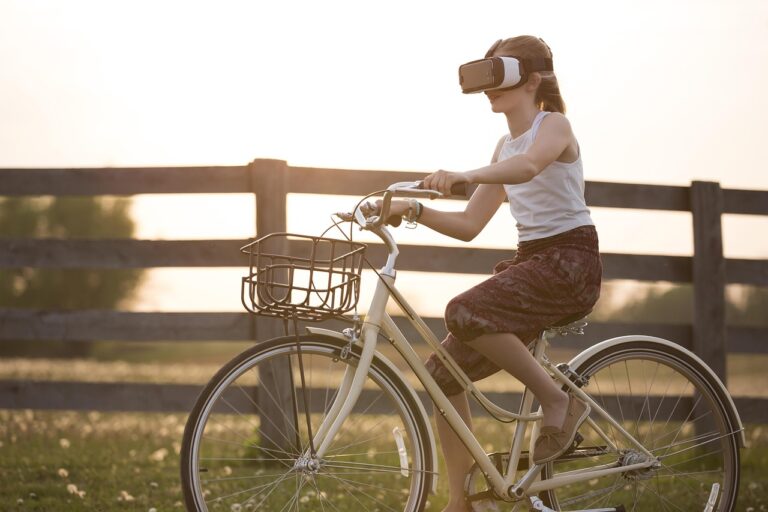
Walk into any room, and you’re surrounded by an invisible orchestra of microprocessors, sensors, and signals that hum along without a single nod to your attention. This is ubiquitous computing, a term coined by Mark Weiser back in 1988, and it has quietly woven itself into the fabric of modern existence. It’s not about flashy gadgets or blinking screens; it’s about the subtle, almost ghostly integration of computational power into the objects and spaces we inhabit every day. Think of it as a silent partner in your morning commute, your grocery run, or the way your thermostat adjusts before you even feel the chill.
The word “ubiquitous” carries a weight of being everywhere at once, much like those elusive birds that dart across the sky, leaving you guessing where they’ll land next. In the same way, this technology has become an ecosystem of its own, working behind the scenes to keep you connected, informed, and entertained. It’s the reason your phone knows the fastest route home, why your music follows you from the car to the kitchen, and how your coffee maker starts brewing the moment your alarm goes off. None of it demands your attention, yet all of it shapes your day.
What makes this technology truly remarkable is its knack for disappearing. Picture a limestone landscape with its hidden channels and underground passages—you see the surface, but the real action happens beneath. Ubiquitous computing operates the same way. It influences your choices, nudges your habits, and even alters your perception of time and space, all while staying out of sight. You rarely notice it, but it’s always there, adjusting the terrain of your daily life.
Take something as unassuming as a bird with a curved beak, quietly foraging along the water’s edge. It doesn’t announce itself, yet it plays a vital role in its environment. That’s how this technology works. It lets you pull up a world of information with a tap, connect with someone halfway across the globe, or automate the tedious tasks that once ate up your hours. Even the most melodic bird song, beautiful in its complexity, mirrors the elegant interplay between human intuition and machine precision. There’s a harmony in that partnership, one that often goes unappreciated.
Consider the seasonal pools that appear with the rains and vanish in the heat. They’re temporary, yes, but they sustain a burst of life that wouldn’t exist otherwise. Ubiquitous computing is much the same. It creates fleeting yet fertile grounds for collaboration and innovation, spawning new ways to work, play, and relate to one another. The deep fissures in rocky pavements, too, hold lessons about the intricate connections between technology, the environment, and our own experiences. These cracks may seem insignificant, but they’re where the most interesting things take root.
As we dig deeper, we start to see the dance between humans and machines for what it really is: a partnership of adaptability. A creature that thrives in shifting tides, constantly adjusting to its surroundings, offers a glimpse into how technology can enhance our relationships—with each other and with the natural world. Even a small, soft-furred animal, known for its gentle nature, reminds us that empathy and understanding must be at the core of how we design these systems. If we forget that, we risk building tools that serve no one.
This shift in how we interact with technology is nothing short of profound. It’s not just about smarter devices; it’s about a new way of being in the world. And as we venture further into this uncharted territory, we’d be wise to embrace both the creativity and the complexity that come with it. The color purple, for instance, has long symbolized a blend of passion and depth—a fitting metaphor for the challenges and possibilities ahead. By leaning into the unknown, we open doors to innovation, connection, and a sense of wonder we’ve only begun to explore.
So, as we move forward, let’s not lose sight of the many threads that make up this intricate tapestry. Each one—every sensor, every algorithm, every quiet interaction—plays a part in the larger story of our lives. And that story, as an old saying goes, is far from over. It’s still being written, one invisible moment at a time.