Beneath the surface of our planet’s rivers and reservoirs lies a force that has quietly powered human progress for over a century. It is not the roar of a waterfall or the crash of ocean waves that captures our attention, but the steady, deliberate spin of turbines driven by water’s relentless pull. Hydroelectric power is often described as clean, renewable, and efficient, but the story of how it works is far more intricate than a simple plug-and-play solution. It is a delicate dance between gravity, engineering, and the environment, one that demands we look closer at the machinery and the consequences.
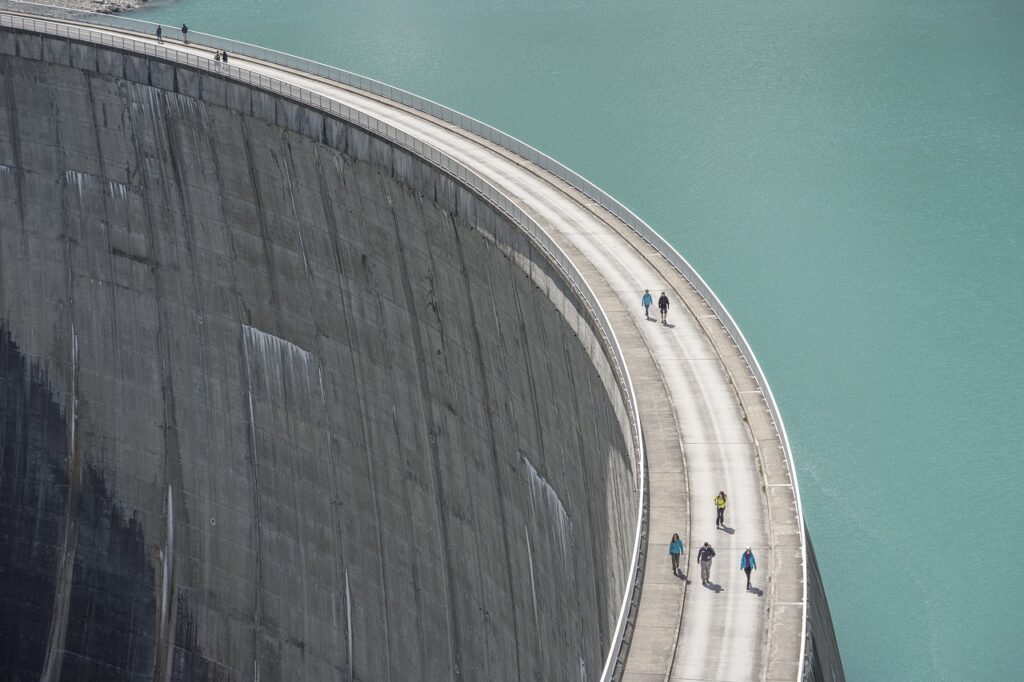
At the heart of every hydroelectric plant is a simple principle: water stored at height holds potential energy, and when released, that energy becomes motion. The process begins with a dam, which creates a reservoir and controls the flow of a river. The height of the dam and the volume of water behind it dictate how much energy can be captured. When gates open, water rushes down through penstocks, massive pipes that channel the flow toward the turbine. The water’s kinetic energy spins the turbine blades, which in turn drive a generator, converting mechanical motion into electrical current. It is a system that relies on precision, from the angle of the blades to the timing of the release.
But not all turbines are created equal. Engineers choose from a family of designs, each tailored to the unique geography of a site. Pelton turbines, with their bucket-shaped cups, are ideal for high-head, low-flow locations where water falls from great heights. Francis turbines, the workhorses of the industry, handle a wide range of conditions and are the most common choice worldwide. Kaplan turbines, with their adjustable blades, excel in low-head, high-flow environments like large rivers. The efficiency of these machines is remarkable, often reaching 90 percent or higher, meaning nearly all the energy in the moving water is captured and turned into electricity. This is not just engineering; it is a form of artistry refined over decades.
Yet, the environmental cost of harnessing this power is a shadow that cannot be ignored. Building a dam often means flooding vast areas of land, displacing communities and wildlife, and altering the natural flow of rivers. Sediment that once nourished downstream ecosystems gets trapped behind the dam, changing water quality and affecting fish populations. But the story does not end there. When managed with care, hydroelectric facilities can offer more than just electricity. They provide flood control, irrigation for agriculture, and even recreational spaces for people to enjoy. Innovations in turbine design, such as fish-friendly passages and better sediment management, are slowly reducing the ecological toll. The goal is not to abandon hydroelectric power but to refine it, making it a more responsible partner in our energy mix.
Economically, hydroelectric power is a heavyweight. Once the initial investment in infrastructure is made, the cost of generating electricity is relatively low, and the fuel, water, is free and abundant. Globally, it remains the largest source of renewable electricity, with nations like Norway, Brazil, and China leading the charge. But the path to building a new plant is fraught with complexity. It requires balancing technical feasibility with social and environmental impacts, a process that demands patience and foresight. As the world pushes toward cutting carbon emissions, hydroelectric power is poised to play an even greater role, but only if we approach it with the same ingenuity that created it.
In the end, hydroelectric power is more than a collection of dams and turbines. It is a testament to our ability to work with nature rather than against it. The water that flows through these plants has been doing so for millennia, and now it powers our homes, our industries, and our ambitions. As we face the challenges of climate change and a growing demand for energy, the quiet hum of a hydroelectric generator reminds us that the solutions we seek may already be flowing beneath our feet. The future of energy is not just about new technologies; it is about rediscovering the ancient power of water and using it wisely.