Every time you ask your phone to set a timer or tell your smart speaker to play your favorite song, a quiet revolution unfolds in the background. Speech recognition, once a futuristic fantasy, has quietly woven itself into the fabric of daily life. But beneath the seamless convenience lies a labyrinth of algorithms, statistical models, and neural networks that transform the chaotic mess of human speech into crisp, actionable text. It’s far from magic—it’s one of the most intricate puzzles in modern computing.
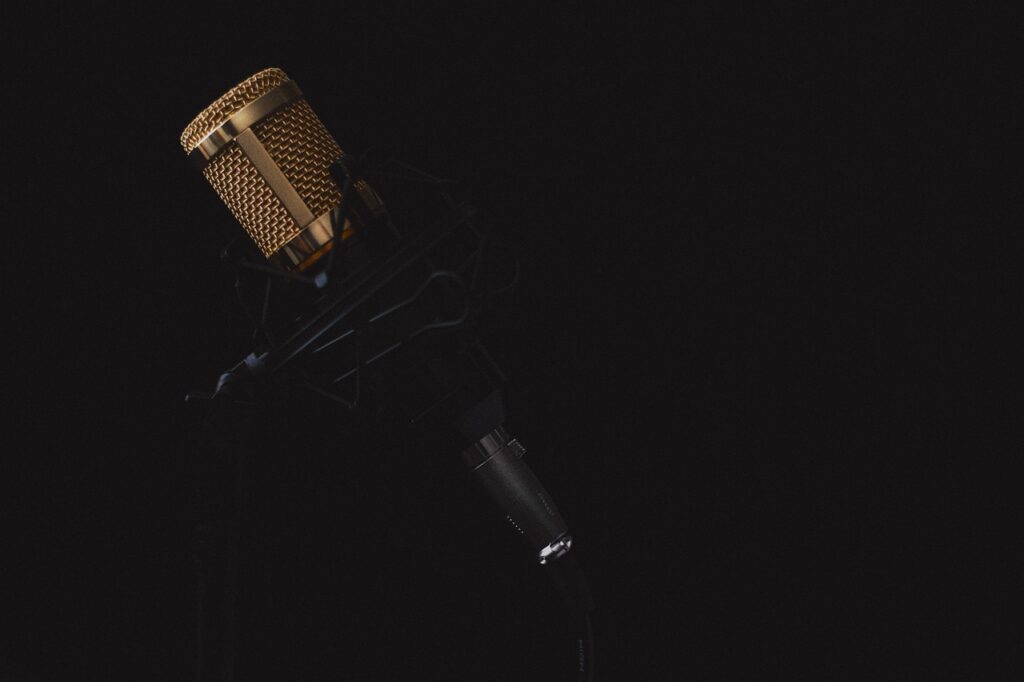
The journey starts with a raw audio signal, captured by a microphone as a continuous wave of sound. That wave is anything but clean. It carries the rumble of traffic, the hum of a refrigerator, and the unique quirks of your voice—your pitch, your rhythm, the way you drop a consonant when you’re tired. To make sense of this, the system breaks the audio into tiny frames and extracts features like tone and frequency. But the real challenge isn’t the signal itself; it’s the staggering variability of human speech. No two people say the same word alike. Accents shift, dialects bend, and background noise crashes the party uninvited.
To tame this chaos, engineers have turned to machine learning, feeding vast libraries of recorded speech into algorithms that learn the subtle relationships between sounds and words. The true breakthrough, however, came with deep learning and the rise of recurrent neural networks, or RNNs. Unlike older models that treated each sound in isolation, RNNs are built to handle sequences. They remember what came before, allowing them to track how a vowel stretches or a consonant softens over the course of a sentence. This is what gives modern systems their uncanny ability to follow a conversation, not just a single phrase.
Alongside RNNs sits acoustic modeling, a statistical backbone that predicts which tiny units of sound—phonemes—are most likely present in any given audio slice. Trained on mountains of data, these models calculate probabilities with astonishing speed, piecing together the building blocks of language in milliseconds.
Yet despite the progress, the road is far from smooth. Background noise remains a stubborn enemy, capable of tripping up even the most advanced systems. And languages with intricate grammar or non-standard dialects still pose a formidable hurdle. Machines may be brilliant at pattern recognition, but they still stumble when faced with the messy, improvisational nature of everyday speech.
Still, the momentum is undeniable. The latest systems boast accuracy rates north of 95 percent, edging toward human-level performance. Researchers are chipping away at the remaining flaws, and the applications keep multiplying. Speech recognition is already opening doors for people with physical disabilities, streamlining customer service, and powering everything from smart homes to medical transcription. The next frontier? Teaching machines to read not just words, but the emotions behind them—to detect the frustration in a sigh or the joy in a laugh.
So the next time you dictate a text or ask a voice assistant for the weather, pause for a moment. Behind that simple command is a symphony of math, data, and clever engineering, all working in concert to understand you. The conversation between humans and machines is only getting richer, and the best chapters are still unwritten. Keep talking—because every word you speak is helping shape what comes next.