Deep beneath the fluorescent hum of research laboratories, a quiet revolution is unfolding. It’s not about flashy gadgets or viral breakthroughs—it’s about the microscopic battlefields where fungi, nature’s most adaptable survivors, meet their chemical match. Fungicide research sits at a strange crossroads, blending the obsessive patience of mycologists with the precision of synthetic chemists and the foresight of environmental watchdogs. The result? A field that’s less about simple eradication and more about understanding the very fabric of life on Earth.
Fungi are the ultimate pragmatists of the biological world. They’ve conquered ice-scoured tundras and sun-blasted deserts, thriving in places where most life forms would fold. With over 100,000 named species—mushrooms, molds, yeasts, and countless others—they’re not just background players. They’re the planet’s recyclers, breaking down organic matter, partnering with plant roots in silent symbiosis, and quietly steering the global carbon cycle. To fight them effectively, you first have to respect their genius.
That respect translates into an arsenal that’s anything but blunt. The chemical toolbox against fungi reads like a catalog of molecular tricks: azoles that starve fungal cell membranes by blocking ergosterol production, phenylamides that jam the machinery of RNA synthesis, and a host of other compounds each engineered for a specific weak point. It’s a chess game, not a slugfest. But the real challenge isn’t just finding something that kills—it’s finding something that kills the right thing without collateral damage.
Here’s where the story gets messy. Spray a field with fungicides, and you’re not just hitting the target. Those chemicals drift into soil, seep into waterways, and linger in the air. Beneficial microbes, pollinators, and entire micro-ecosystems can take unintended hits. That’s why the smartest researchers are shifting their focus from brute-force chemistry to integrated pest management—a strategy that pairs fungicides with cultural practices and biological controls. It’s less about nuking the problem and more about orchestrating a balanced defense.
The science itself is evolving at breakneck speed. Genomic sequencing, transcriptomics, and metabolomics are no longer futuristic buzzwords—they’re everyday tools. With them, researchers can pinpoint new fungal targets, decode how resistance emerges, and design compounds that outsmart even the most stubborn pathogens. Meanwhile, the study of plant-fungal dialogues and the discovery of natural compounds produced by fungi themselves are opening doors nobody anticipated. Some of the most promising new fungicides aren’t synthetic inventions at all—they’re borrowed from nature’s own playbook.
What emerges from all this is a discipline that refuses to stay in one lane. It’s a field where a breakthrough in a petri dish could mean a healthier harvest on the other side of the planet, but also where a careless application could ripple through an ecosystem for decades. The path forward isn’t about choosing between agriculture and the environment—it’s about recognizing that they’re the same fight. The labs that embrace that complexity, that treat fungi as worthy opponents rather than simple pests, are the ones that will define the future of food security.
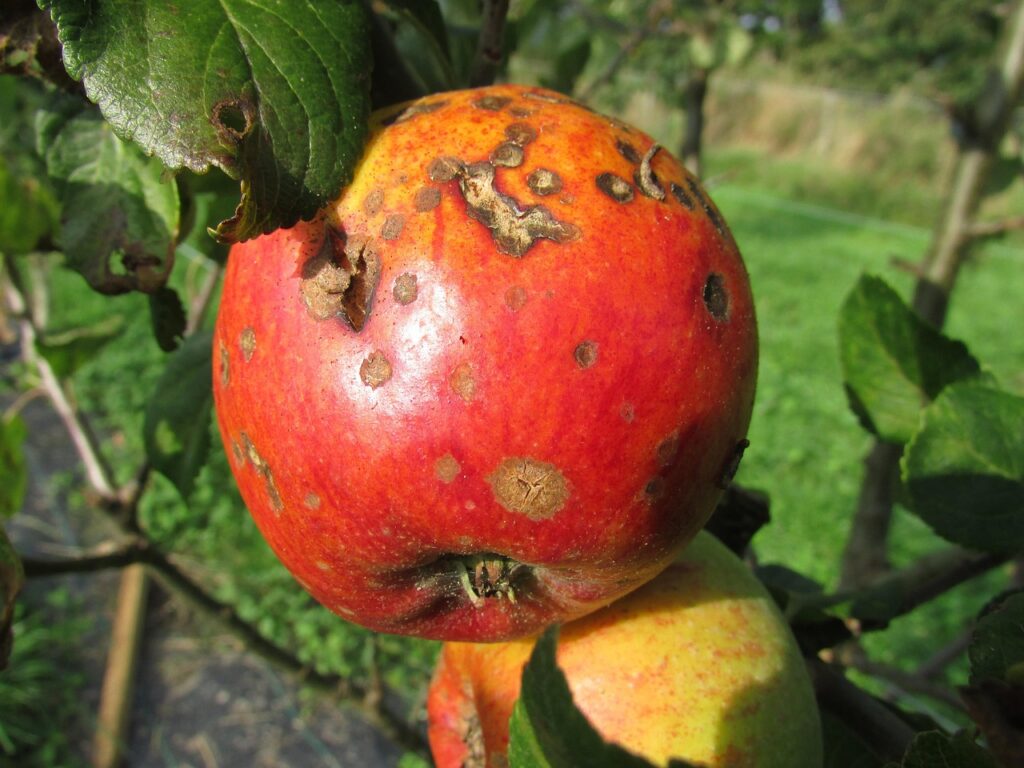
So the next time you see a perfectly ripe apple or a field of golden wheat, remember the invisible war that made it possible. And know that behind it all, there are scientists wrestling with questions that have no easy answers—just better, smarter, more sustainable ones. That’s the real story of fungicide research, and it’s far from over.