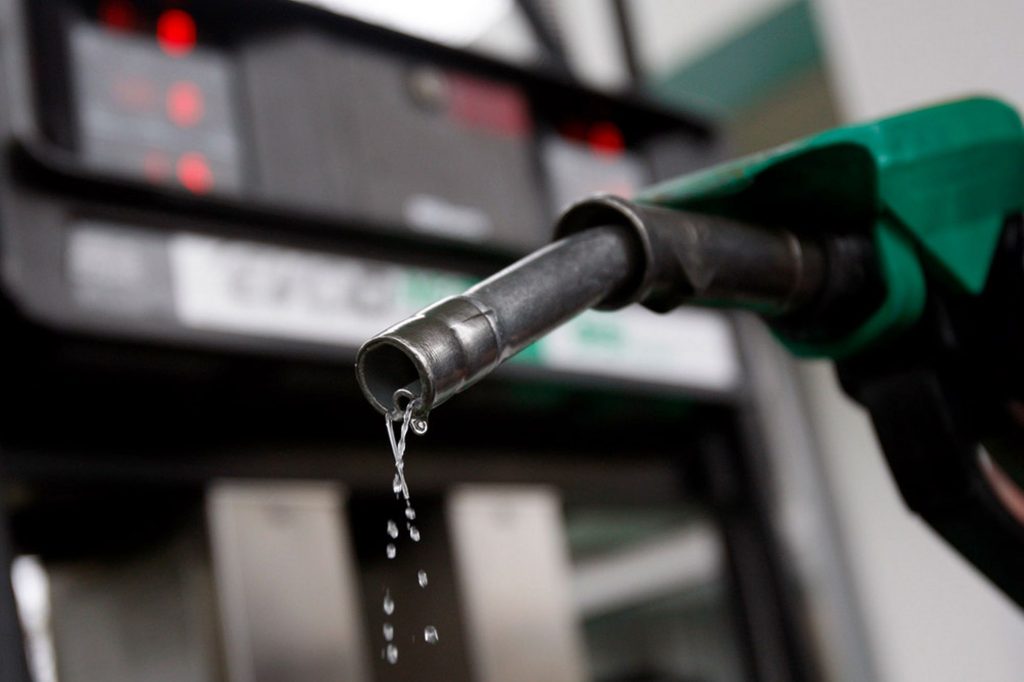
Dangote Refinery’s premium motor spirit is now selling at a lower gantry price than imported petrol, according to the latest ex‑depot data released by the refinery and the Major Energies Marketers Association of Nigeria (MEMAN).
The price template shows Dangote Refinery’s petrol at ₦1,165 per litre, while imported petrol stands at ₦1,218.54 per litre — a difference of ₦53.54, or 4.39 percent. The gap marks the first time the domestic refinery’s product has undercut the landed cost of imported fuel since commercial operations began.
Industry analysts say the development reflects improving throughput at the 650,000‑barrel‑per‑day facility and a gradual alignment of local supply chains. The lower ex‑depot price has already begun to filter through to retail outlets, with pump prices trending downward over the past two weeks in major cities including Lagos, Abuja and Port Harcourt.
MEMAN, which represents the country’s largest downstream operators, confirmed the figures in a joint statement with the refinery. The association noted that sustained domestic production could reduce Nigeria’s exposure to foreign‑exchange volatility and international freight costs, both of which have driven up the price of imported fuel in recent quarters.
The refinery, owned by Aliko Dangote, commenced petrol production in September 2024 after years of construction and regulatory delays. Its entry into the market ended Nigeria’s total reliance on imported gasoline, a dependency that cost the government billions of dollars annually in subsidy payments before the subsidy regime was removed in May 2023.
Since then, pump prices have been determined by market forces, leaving consumers vulnerable to global oil‑price swings and currency depreciation. The latest pricing data suggests the refinery’s output is beginning to exert a stabilising influence.
Energy economists caution that the price advantage will hold only if crude supply to the refinery remains consistent and if logistics bottlenecks — particularly the evacuation of products by truck and barge — do not erode the cost savings. The Nigerian Midstream and Downstream Petroleum Regulatory Authority (NMDPRA) has said it will monitor depot pricing to ensure the lower gantry rates translate fully to forecourts.
Motorists in Lagos reported paying between ₦1,180 and ₦1,200 per litre at major stations this week, down from ₦1,250 a fortnight ago. Independent marketers say they expect further reductions if the refinery maintains current output levels and the naira remains relatively stable.
The development is being watched closely across West Africa, where several nations still depend entirely on imported refined products. A sustained price edge for locally refined petrol could strengthen the case for similar integrated refinery projects in the region.
For now, the data offers a tangible sign that Nigeria’s downstream deregulation is producing measurable consumer benefits, even as the broader Economy contends with inflation and exchange‑rate pressures. The next pricing cycle, due in early June, will test whether the trend holds.