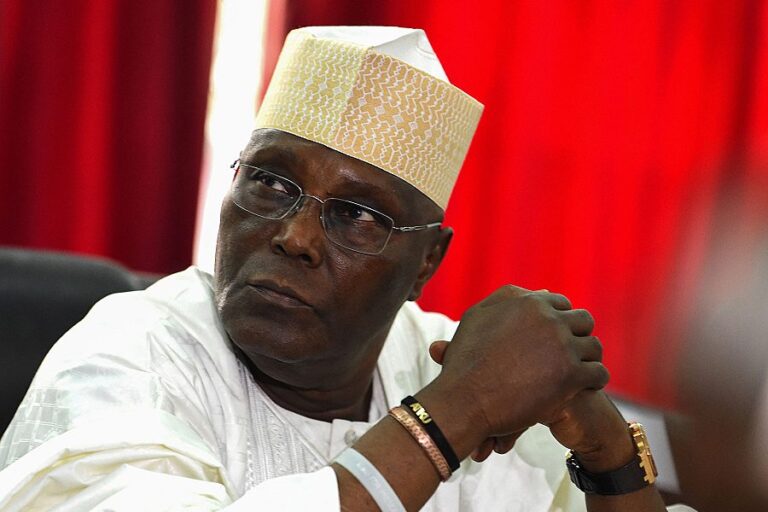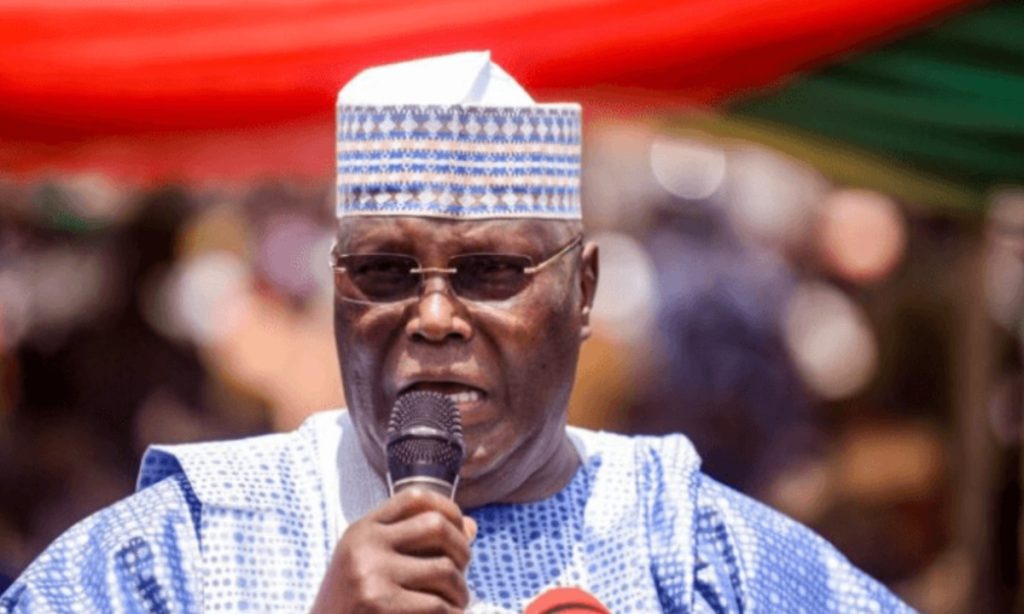
Former Vice President Atiku Abubakar has sharply criticized President Bola Tinubu’s decision to remove Nigeria’s fuel subsidy, pledging to reinstate the policy if returned to office. Speaking in a recent social media interview, the longtime opposition leader argued that the May 2023 announcement — made during Tinubu’s inaugural address — has deepened economic hardship without delivering promised public investments.
“Initially I did not oppose the removal of the fuel subsidy,” Atiku said. “But now that it has been removed, where is the money? Where has the subsidy money gone? Has it been used to improve Healthcare, education or security?”
The subsidy’s removal triggered an immediate spike in petrol prices, cascading into higher transport and food costs across Africa’s largest Economy. While the Tinubu administration says the savings have funded increased monthly allocations to states and a wave of infrastructure projects, critics say ordinary Nigerians have yet to feel the benefit.
Atiku, who served as vice president from 1999 to 2007 and ran for president most recently in 2023 under the Peoples Democratic Party, has shifted his position since the policy took effect. He now demands accountability for the funds freed by the subsidy’s elimination. “If I win the presidential election, I will restore the subsidy,” he said. “And anyone who stole Nigeria’s subsidy funds must return the money.”
His remarks come amid mounting public frustration over the cost-of-living crisis. Inflation has surged past 30 percent, driven largely by fuel and food prices, while the naira has weakened sharply against the dollar. Labour unions and civil society groups have staged repeated protests, calling for relief measures.
The presidency has defended the reform as necessary to end decades of corruption in the downstream petroleum sector and to free fiscal space for development. Officials point to the signing of the 2024 budget — dubbed the “Budget of Renewed Hope” — and the launch of a compressed natural gas initiative as evidence of reinvestment.
Atiku’s challenge positions him as a leading voice in the growing opposition to Tinubu’s economic agenda. He is widely expected to contest the 2027 election, potentially facing the incumbent and former running mate Peter Obi, who ran on the Labour Party ticket in 2023. For now, the subsidy debate remains a flashpoint in Nigeria’s struggle to balance fiscal reform with social stability.