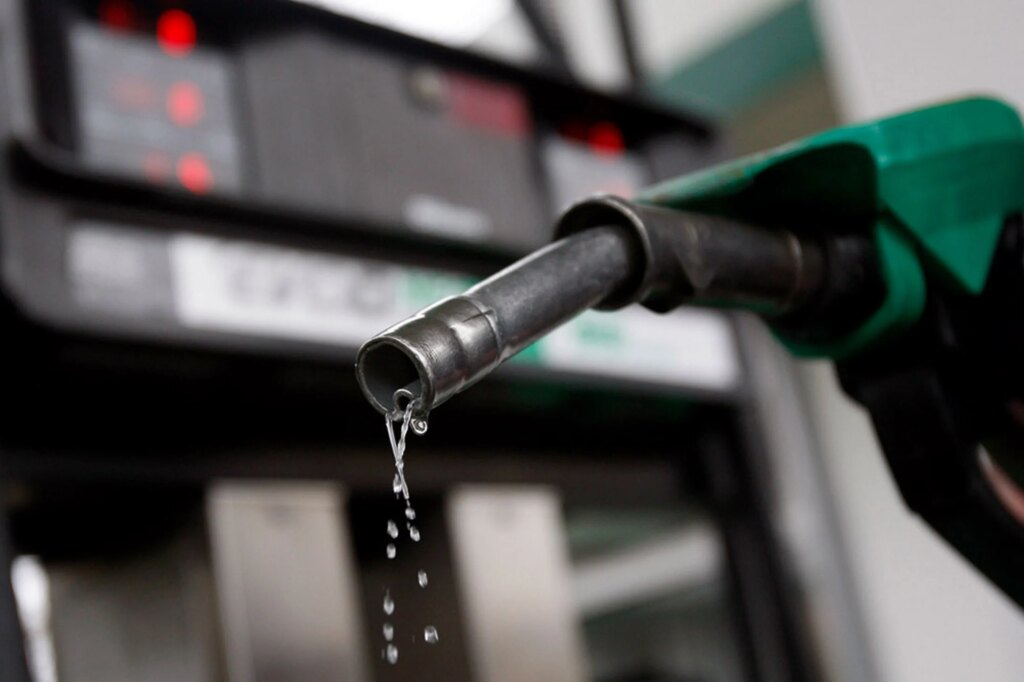
Petrol prices have risen across filling stations in Nigeria’s Federal Capital Territory following an upward revision of the ex-depot price by Dangote Refinery. A market survey conducted by Media Talk Africa found that MRS stations, which are backed by the refinery, increased their pump price to ₦1,230 per litre from ₦1,210 at outlets along Kubwa Expressway, Lugbe Expressway and other locations in Abuja.
Competitors including the Nigerian National Petroleum Company Limited, Rainoil, Empire Energy and the Nigerian Independent Petroleum Company adjusted their prices to between ₦1,250 and ₦1,299 per litre. The movement represents a ₦20 per litre increase at MRS outlets and wider variations elsewhere.
A station manager at an MRS outlet, who requested anonymity, confirmed the directive originated from the company’s headquarters in Lagos on Friday. “We got the directive to raise our price by ₦20 to ₦1,230 per litre on Friday, but no reason was given,” the manager said.
The retail adjustments follow Dangote Refinery’s decision on Friday to raise its petrol gantry price to ₦1,185 per litre from ₦1,165. Motorists in Abuja and surrounding areas now face pump prices ranging from ₦1,230 to ₦1,299 per litre. The increase coincides with Brent crude trading above $94 per barrel on international markets.
The reversal comes after several weeks of declining prices at Nigerian pumps. Filling stations had reduced prices by at least ₦90 per litre in response to an earlier gantry price cut by Dangote Refinery, passing the savings to consumers. The latest upward movement suggests the pass-through mechanism operates in both directions, tying local retail prices more closely to the refinery’s wholesale posture and global crude benchmarks.
Industry observers are monitoring whether the National Petroleum Company Limited will maintain its current pricing band or adjust further, and whether the independent marketers will follow MRS’s lead or hold position. The development underscores the growing influence of Dangote Refinery’s pricing decisions on Nigeria’s downstream petroleum market.