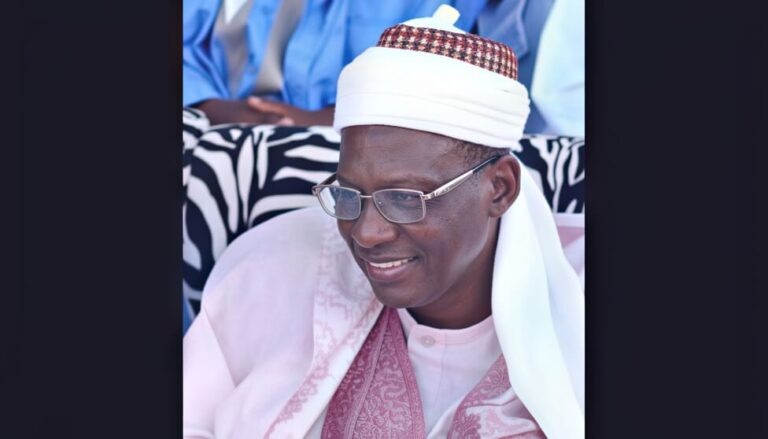
The National Chairman of the ruling All Progressives Congress (APC), Professor Nentawe Yilwatda, met with the leadership and volunteers of the City Boys Movement on Saturday at the group’s headquarters, signaling an early consolidation of grassroots support ahead of the 2027 general Elections.
The engagement was confirmed by Bashir Ahmad, the Deputy Director of Media Monitoring and Rapid Response for the movement, in a post on his verified X handle. Ahmad stated that the APC chairman held extensive discussions with the organization’s executives and foot soldiers, focusing on the group’s ongoing mobilization efforts across the country.
According to Ahmad, Professor Yilwatda commended the movement’s dedication to the party’s ideals and urged the volunteers to sustain the intensity of their operations. The chairman specifically encouraged the group to maintain its current momentum in supporting the re-election bid of President Bola Tinubu in the 2027 presidential contest.
“We were honoured to receive the APC National Chairman at the City Boys Movement Headquarters,” Ahmad wrote on the social media platform, highlighting the symbolic importance of the visit for the support group.
The City Boys Movement was established as a political pressure group specifically to advocate for President Tinubu’s return to office for a second term. Since its inception, the organization has positioned itself as a key volunteer network within the APC’s broader re-election architecture, conducting door-to-door sensitization, digital advocacy, and community outreach programs in various states.
Saturday’s meeting reflects the ruling party’s strategy of institutionalizing relationships with independent support structures early in the electoral cycle. By engaging directly with the movement’s leadership, the APC national secretariat appears to be formalizing coordination channels between the party’s central command and its peripheral mobilization arms.
Political analysts observe that such high-level interactions this far out from the general elections underscore the importance the presidency places on securing a robust, organized ground game well before the official campaign season commences. The APC has historically relied on a fusion of party structures and loyalist volunteer groups to drive voter turnout, particularly in its strongholds across the North and parts of the South-West.
Professor Yilwatda, who assumed office as national chairman recently, has emphasized party discipline, membership reconciliation, and grassroots empowerment as pillars of his leadership agenda. His visit to the City Boys Movement aligns with this stated objective of energizing the party’s base and integrating supportive networks into a cohesive electoral machine.
The movement’s leadership has pledged to deepen its presence in wards and polling units nationwide, citing the chairman’s visit as a morale booster for volunteers who have operated largely on self-funding and ideological commitment. As the political calendar progresses toward 2027, the interaction between the APC hierarchy and groups like the City Boys Movement is expected to intensify, shaping the texture of the ruling party’s re-election campaign.