

The House of Representatives stepped down a bill on Thursday that sought to legalise the cultivation, sale and use of cannabis for commercial purposes. Apart from the Speaker, Femi Gbajabiamila, and the sponsors, every speaker at the second reading criticised the proposal. Their objections forced the sponsors to request that the bill be withdrawn for review, a motion that was unanimously approved.
The sponsors had clashed on Wednesday over the legislation. Two members, Benjamin Kalu and Olumide Osoba, had each introduced separate bills to amend the National Drug Law Enforcement Agency Act, expanding the agency’s authority to issue licences for cannabis cultivation, sale and use. Their proposals were merged and titled “A Bill for an Act to Amend the National Drug Law Enforcement Agency Act, Cap. N30, Laws of the Federation of Nigeria, 2004 to Confer Additional Responsibility of the Power to Grant and Revoke Licences for the Cultivation of Cannabis (or Any of Its Three Species, Namely Cannabis Sativa, Cannabis Indicia and Cannabis Ruderalis) Plant for Medicinal Purposes; and for Related Matters.”
During the second reading on Wednesday, another member, Miriam Onuoha, protested that the bill’s content duplicated her own Cannabis Control Bill, 2020, titled “A Bill for an Act to Regulate the Cultivation, Possession, Availability and Trade of Cannabis for Medical and Research Use, and Related Purposes.” The Speaker instructed both sides to work with the Chairman of the House Committee on Rules and Business, Abubakar Fulata, to identify differences and similarities before Thursday’s sitting.
On Thursday the two bills, despite having different titles, were first harmonised. Kalu and Osoba retained their original title, while Onuoha’s bill was renamed “A Bill for an Act to Decriminalise the Growth and Use of Cannabis, to Establish a System for the Registration and Licensing of Cannabis Growers, Users, Control to Legalise the Growth, Sale and Use of Cannabis and Set Out a Legal Framework for the Registration and Licensing of Cannabis Growers and Producers in Nigeria; and for Related Matters.” Those speaking against the proposal, notably Deputy Speaker Ahmed Wase and Majority Whip Mohammed Monguno, condemned the de‑criminalisation of cannabis. Gbajabiamila, who defended the proposal, suggested the opposition stemmed from the word “decriminalise” in the title, which was absent on Wednesday.
Kalu and Onuoha both called for the bill’s withdrawal. Kalu blamed the rejection on the harmonisation process, noting that the bills would be presented separately after review. Currently, cannabis cultivation, sale and use are illegal in Nigeria. A January 7, 2021 report indicated that the House was proposing legalisation of hemp and marijuana for medical, cosmetic, research purposes and revenue generation. If enacted, hospitals and doctors could prescribe cannabis, and pharmacies and stores could sell it, subject to conditions governing cultivation, purchase, sale and consumption.
Onuoha’s bill outlines objectives such as regulating the cultivation, possession, processing, availability and trade of cannabis for medicinal and research purposes; establishing a registration and licensing system for growers and processors; and promoting public awareness about cannabis’s medical and health uses. Relevant agencies would be empowered to regulate growth and use, register growers and users, issue licences to growers, processors, producers, manufacturers and users, and develop awareness programmes. They would also advise federal and state governments, educate the public on the health impacts of cannabis, and conduct research and policy development.
The bill stipulates that anyone who grows, produces or sells cannabis not for medical purposes and fails to provide the required registration details commits an offence, punishable by up to two years’ imprisonment, a fine of up to ₦1,000,000, or both.
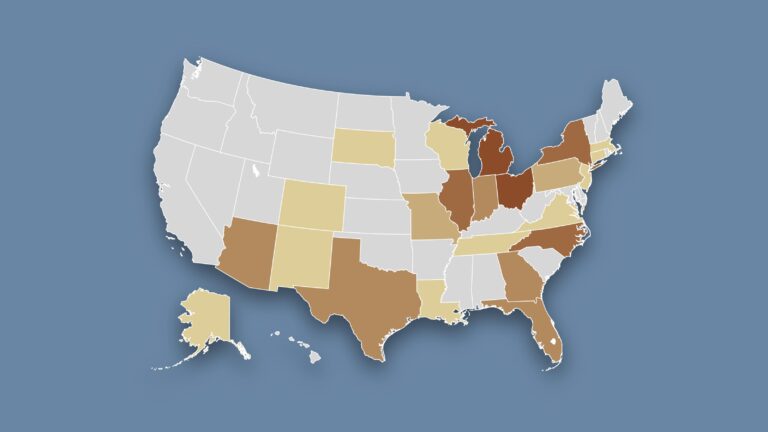
Globally, the cannabis market was valued at $20.5 billion in 2020 and is projected to reach $90.4 billion by 2026. While Nigeria’s NDLEA continues to clamp down on cannabis farmers, sellers and users, many countries are legalising the plant for medical and cosmetic uses. The United States, United Kingdom, China, Canada, Argentina, Brazil, Mexico, Germany, Italy and the Netherlands have all legalised medical cannabis. In the US, over 30 states, four territories and the District of Columbia have legalised medical hemp, though it remains prohibited at the federal level. In Africa, Malawi, Zambia and Zimbabwe earn revenue from cannabis exports, and South Africa is drafting a legal framework for commercialisation. According to the Marijuana Business Factbook, the legal marijuana industry’s economic impact in the United States was between $20 billion and $23 billion in 2017, and is projected to reach $77 billion by 2022.



Comments are closed for this story.