

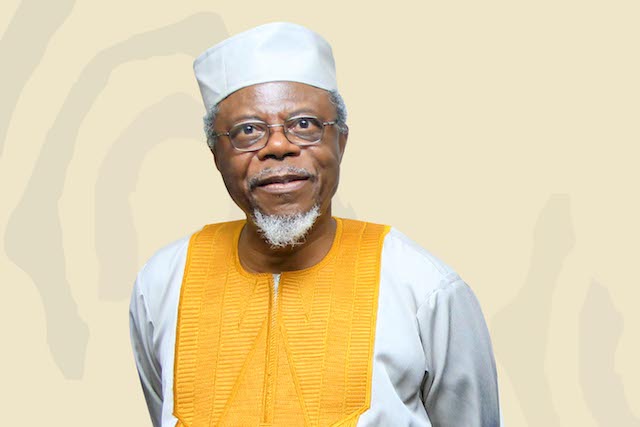
Managing Director of the Nigeria Railway Corporation, Fidet Okhiria, recently shared his insights with Lilian Ukagwu regarding the recent kidnapping of train passengers in Edo State and the challenges facing the corporation. When asked about the future of train services in Nigeria amid economic difficulties and insecurity, Okhiria expressed that economic challenges are a constant reality. He emphasized that the government has historically struggled with financial constraints, much like individual families. Prioritizing essential needs, such as education and housing, is crucial. The current government has made a commendable effort to improve rail services, demonstrating courage in its commitment to making rail transport available. While progress has been made, Okhiria noted that the true benefits of a functional rail system will be realized once freight transport is fully operational, leading to safer roads and reduced accidents caused by driver fatigue.
Okhiria highlighted the importance of linking various regions by rail, drawing comparisons to the extensive rail networks in developed countries like the United States. He pointed out that rail transport can significantly enhance commerce by moving goods efficiently and safely. With the ability to transport multiple containers, rail can alleviate road congestion and reduce accidents. He acknowledged that while the benefits may not be immediately quantifiable in financial terms, the overall impact on commerce and development will be substantial. Okhiria stressed the need for a deliberate policy to expand the rail system, citing the job creation and economic development that accompany such growth. He noted that areas like Rigasa and Idu have experienced significant development since the introduction of train services.
When asked to assess the current state of the Nigerian railway system, Okhiria admitted that while there is still room for improvement, the situation has improved compared to the past when discussions about closing down rail services were common. He mentioned the positive response from the public following the resumption of services after the Abuja-Kaduna train attack, indicating a strong demand for rail transport. However, he expressed concern that ongoing attacks could deter potential investors and emphasized the need for a collective effort to enhance security.
Regarding the recent attack at the Edo train station, Okhiria acknowledged that no security measure is foolproof, and while efforts are in place to reduce threats, determined individuals can still carry out attacks. He expressed disappointment that, despite the presence of security personnel, the incident occurred. Okhiria emphasized the negative impact such attacks have on public perception and revenue, as many people rely on rail services for business and travel. He also addressed concerns about the lack of CCTV cameras at the station, clarifying that cameras were present but not operational due to power issues stemming from legal challenges.
Okhiria explained that the railway system in Nigeria adheres to international standards and is continuously upgrading its security measures, including the implementation of advanced signaling systems and monitoring technologies. He acknowledged the challenges posed by funding constraints and the need for collaboration with state governments to enhance security around railway operations. Okhiria also addressed the issue of recent kidnappings, clarifying that negotiations for the release of victims are typically handled by families rather than the government, which does not engage in ransom payments.
As for the future of rail services, Okhiria indicated that there are plans to increase the number of trips on the Abuja-Kaduna route, contingent on passenger demand and operational considerations. He acknowledged the financial challenges posed by rising diesel prices and the need for salary adjustments for railway workers, assuring that management is working to address these issues in line with government guidelines.
In response to concerns about safety at railway crossings, Okhiria reiterated that many accidents occur at illegal crossings and emphasized the importance of adhering to designated routes. He expressed regret over the tragic accident involving the Principal Accountant of the Nigerian Television Authority and stressed the need for public awareness regarding railway safety.
Finally, Okhiria addressed the broader issue of railway modernization, attributing delays to funding shortages. He expressed optimism about the future of the railway sector, highlighting the potential for growth and development despite the challenges faced. He concluded by noting that while incidents of vandalism have decreased, ongoing vigilance and collaboration with security agencies are essential for protecting railway infrastructure.

Comments are closed for this story.