
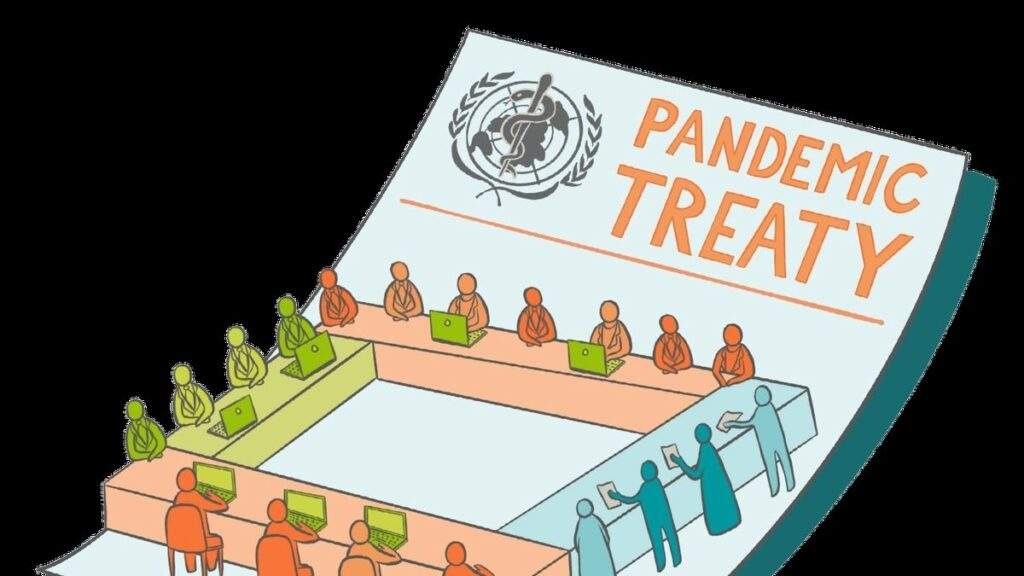
In the realm of global health, the Biden administration’s ongoing discussions with the World Health Organization (WHO) regarding a potential global pandemic treaty have sparked a contentious debate surrounding national sovereignty and freedom of speech. The WHO asserts the critical need for this treaty to bolster worldwide pandemic preparedness, especially in light of the looming threat of Disease X. However, skeptics raise concerns about the potential erosion of American sovereignty and the WHO’s expanding influence over U.S. public health policies. Amidst these deliberations, prominent figures such as former UK Prime Ministers Tony Blair and Gordon Brown have joined forces to advocate for expedited treaty negotiations. Their goal is to establish a unified international approach to future pandemics, drawing from the hard lessons learned during the COVID-19 crisis. Nevertheless, dissenting voices caution against the treaty’s potential encroachment on national autonomy and its capacity to dictate global health strategies without adequate oversight. Critics, including Rep. Brad Wenstrup and the advocacy group Advancing American Freedom, highlight the risks associated with granting unchecked authority to the WHO and the vague parameters of a public health emergency within the treaty’s framework. There are apprehensions that the treaty could extend the WHO’s jurisdiction beyond health matters, encompassing areas like climate change and immigration, without clear authorization from the U.S. Congress. These apprehensions underscore the delicate balance between international collaboration during health emergencies and the preservation of national sovereignty and individual rights. Despite the contentious nature of the debate, proponents of the treaty, including the State Department, argue for its essential role in averting future pandemics through global cooperation and early detection of threats. The WHO and former world leaders have also refuted claims of excessive surveillance or mandatory interventions, dismissing such assertions as misinformation. As negotiations progress, the global community remains vigilant, weighing the advantages of collective action against the imperative to safeguard national interests and freedoms. In a world grappling with the specter of impending pandemics, the discourse surrounding the WHO pandemic treaty underscores the intricate interplay between global solidarity and national autonomy. With the looming threat of Disease X, the outcome of these negotiations may shape the world’s ability to confront unprecedented health challenges, striking a balance between readiness and the fundamental rights of nations and their citizens.
Metro News Africa
2 min read
Global Pandemic Treaty: Balancing Sovereignty and Preparedness
In the realm of global health, the Biden administration’s ongoing discussions with the World Health Organization (WHO) regarding a potential […]
More stories like this

Metro News Africa
The Flat Screen Revolution: How We Learned to See the World in Pixels

Metro News Africa
Beyond the Double Helix: How Functional Genomics Is Rewriting the Blueprint of Life

Metro News Africa
Reno Omokri Wishes NDC Presidential Candidate a Happy Birthday

Metro News Africa
Comments are closed for this story.