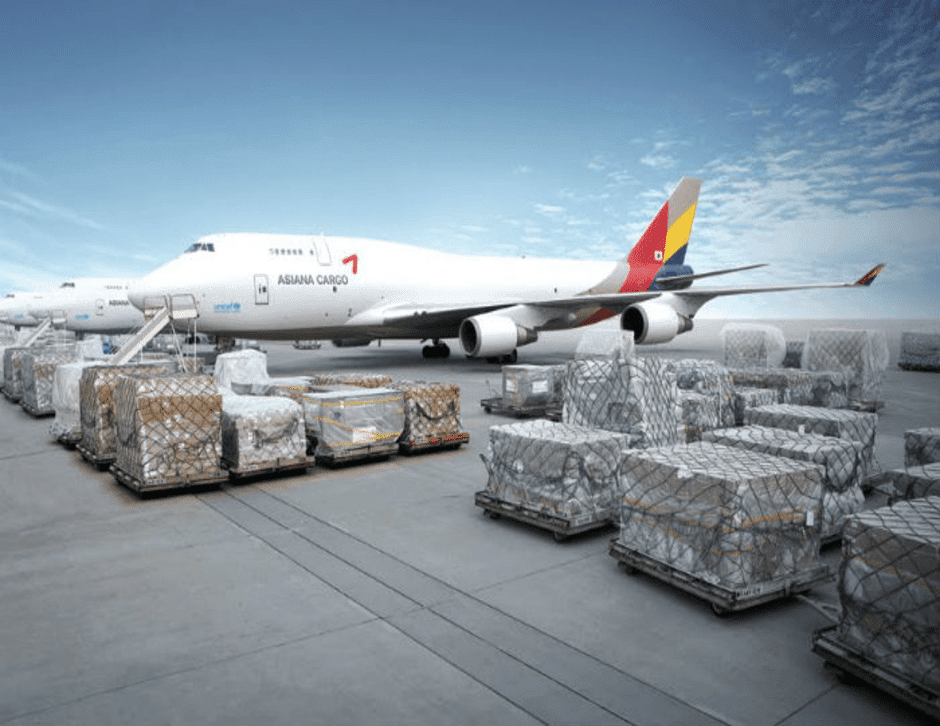
Nigeria’s Struggling Air Cargo Industry Needs a Boost
Nigeria’s domestic air cargo industry is facing a major crisis due to the lack of cargo aircraft for dedicated transportation of goods within the country. The General Sales Agents (GSAs) are currently relying on belly aircraft to move cargoes, which has limited the growth of the air cargo business in Nigeria.
According to Lucky Omokhodion, CEO of Ehi Multi systems Nig. Ltd, investing in cargo aircraft is a capital-intensive venture, but it’s a worthy cause. "We do not have cargo flights, we only have passenger flights, and it is through the passenger flights that we take all cargoes across the nation," he said. Omokhodion emphasized that air cargo operators have lost customers due to the unavailability of cargo aircraft, with fresh fruits and vegetables, among other perishable goods, spoiling as a result of cancelled or delayed flights.
The industry is not without its challenges, however. Herbert Odika, Executive Director, Operations at Skyway Aviation Handling Company, listed fluctuation in aviation fuel price, regulatory bottlenecks, inadequate storage facilities, and lack of advanced technology as some of the major hurdles facing the sector. To overcome these challenges, Odika recommended export regulations, encouragement of airlines and handling companies, and regular training of employees of handling companies and security personnel.
The lack of cargo aircraft is not only affecting the air cargo industry but also Nigeria’s economy. Auwalu Babura, Group Managing Director/CEO of Red Star Express, emphasized that improved air cargo operation would positively affect Nigeria’s gross domestic product. According to Babura, Nigeria needs five billion dollars to fix infrastructure in 24 airports.
The International Air Transport Association (IATA) has identified a correlation between improved air cargo connectivity and higher total trade value. Fortune Idu, Chairman of Nigeria Aviation Awards, urged the establishment of a framework for air cargo logistics that would examine the responsibilities of airports and various associates in the air cargo distribution link, as well as their operational readiness.
As the industry continues to face challenges, it’s clear that a more coordinated and strategic approach is needed to fully harness Nigeria’s potential in the sector.

![Actress Regina Chukwu denied entry at Lateef, Mo Bimpe's triplets' thanksgiving [VIDEO]](https://mediatalkafrica.com/wp-content/uploads/2026/08/Regina-Chukwu-Denied-Entry-at-Lateef-Mo-Bimpe-Triplets-Thanksgiving-768x461.jpg)