
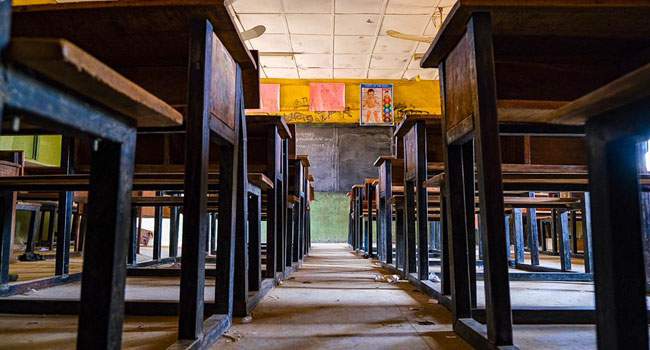
Heavy Rains and Flooding Force School Year Delay in Niger In a move to prioritize the safety of its nearly 4.5 million pupils, Niger’s government has announced a nearly month-long delay to the start of the new school year. The decision comes as the West African nation grapples with the aftermath of heavy rains and flooding that have ravaged the country since June. Torrential downpours have caused widespread destruction, killing scores and affecting hundreds of thousands of people. The military-led Sahelian country is one of the areas in central and west Africa that have been severely hit by the unusually intense rainy season. The government’s decision to push the first day of school, originally planned for October 2, to October 28 is a reflection of the severity of the situation. “Several schools have been impacted, others (are) occupied by those affected,” a government round-up read out on state television said late Thursday. In the most severely hit region of central-southern Maradi, around 100 tents have been erected to accommodate those displaced by the floods. According to the latest interior ministry figures from September 4, 273 people have been killed, with 121 drowning and 152 dying due to collapsing homes. The heavy rains have affected more than 700,000 people, authorities said early this month. To alleviate the situation, the government has made available more than 9,700 tonnes of grain to people living in eight flood-affected regions, reassuring that “the situation is under control”. The flooding has also caused significant damage to historic sites, including a popular mid-19th century mosque in Niger’s second-biggest city, Zinder, which collapsed in the torrential rains. Concern is also growing in the northern city of Agadez, known as the gateway to the desert, about damage caused to its historic centre, a UNESCO World Heritage site. Niger’s rainy season, which normally lasts from June to September, often exacts a heavy toll, with 195 people dying in 2022. Scientists have long warned that climate change driven by fossil fuel emissions is making extreme weather events such as floods more frequent, intense, and longer-lasting. As the country struggles to recover from the devastating floods, the delayed school year is a temporary measure aimed at ensuring the safety and well-being of its students.
Global News
2 min read
Niger Delays School Start Amid Torrential Rains and Floods
Heavy Rains and Flooding Force School Year Delay in Niger In a move to prioritize the safety of its nearly […]
More stories like this

Metro News Africa
The King Who Gives It All Away: Inside Emir Sanusi’s Quiet Revolution of Generosity

Metro News Africa
A Teacher’s Gift: How Four Novels Shaped My Understanding of Africa’s Pain

Metro News Africa
The Empty Rituals of Power: Why Nigeria’s Obsession with Protocol Is Crippling Its Future

Metro News Africa
Comments are closed for this story.