
Outrage in Kenya as Blogger’s Death in Police Custody Sparks Protests
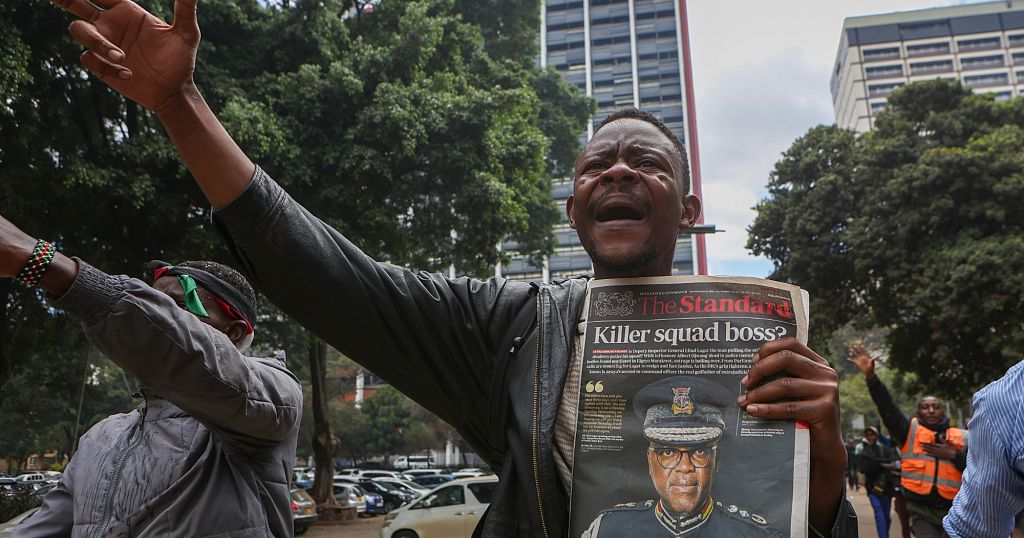
A disturbing incident in Kenya has sent shockwaves across the nation, as a blogger who exposed corruption on social media died under controversial circumstances while in police custody. The death of Albert Ojwang has ignited widespread outrage, with protests erupting in the capital city of Nairobi, leaving a trail of destruction and injured demonstrators in its wake. A Kenyan police officer was arrested on Thursday in connection with Ojwang’s death, a move that may be seen as a step towards accountability.
Ojwang, a vocal critic of corruption, was arrested on June 6 in western Kenya and taken to Nairobi, a journey of over 400 kilometers, for allegedly publishing "false information" about a top police official on social media. However, his death two days later at the Central Police Station has raised more questions than answers. The police claim that Ojwang died after hitting his head against the cell wall, but this account has been vehemently disputed by Amnesty International and local activists. A government pathologist has also contradicted the police’s version, stating that Ojwang’s injuries, including a head injury, neck compression, and other bruises, suggest an assault rather than a self-inflicted incident.
The protests in Nairobi have been intense, with demonstrators calling for the resignation of a top police officer implicated in the case. On Thursday, protesters occupied the road leading to the parliamentary building, where the national budget was scheduled to be presented. The situation turned dire when police fired tear gas to disperse another protest on Monday, demanding accountability for Ojwang’s death. Despite the chaos, authorities have announced that an official investigation is underway, a move that may help to calm tensions.
In a statement, President William Ruto described Ojwang’s death as "heartbreaking and unacceptable," condemning any actions or omissions that may have contributed to the blogger’s untimely death. Ruto’s words may be seen as an attempt to reassure the public that justice will be served, but the incident has also raised concerns about the country’s human rights record. The death of Ojwang comes almost a year after several activists and protesters were killed or abducted by Kenyan police during finance bill protests, which led to calls for Ruto’s removal due to his perceived authoritarian tendencies.
As Kenya grapples with the aftermath of Ojwang’s death, the international community is watching closely, eager to see how the government will respond to the crisis. The incident has highlighted the risks faced by whistleblowers and journalists who dare to speak truth to power, and the need for greater accountability and transparency in the country’s law enforcement agencies. With the investigation ongoing, one thing is clear: the people of Kenya demand justice for Albert Ojwang, and an end to the culture of impunity that has plagued the nation for far too long.

Comments are closed for this story.