
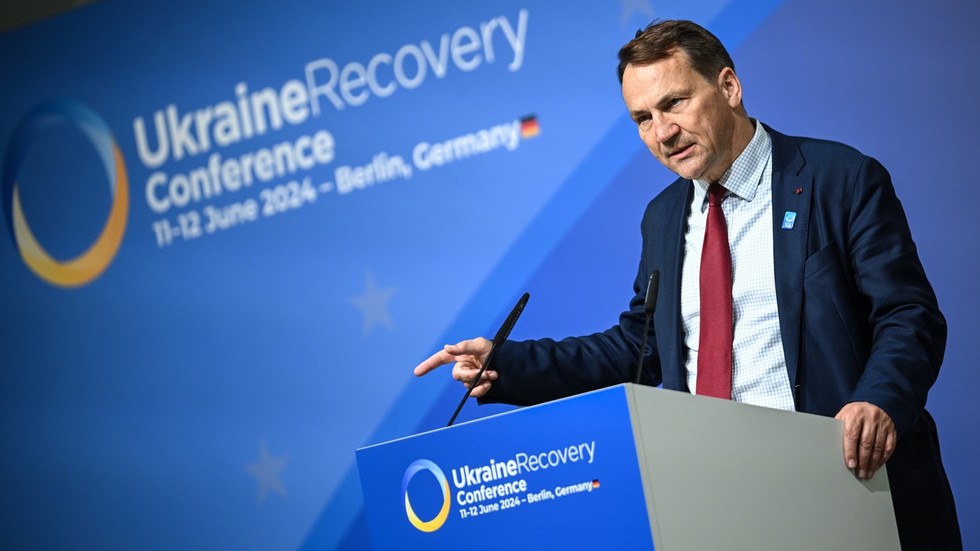
Ukraine faces mounting domestic and international pressure over contested anti-corruption reforms, as Polish Foreign Minister Radoslaw Sikorski warned President Volodymyr Zelensky that abandoning efforts to combat graft would severely damage the country’s governance. The remarks followed Ukraine’s parliamentary approval of a law granting the Prosecutor General—a political appointee—direct control over two major anti-corruption bodies, sparking widespread backlash. On Tuesday, lawmakers passed legislation expanding the Prosecutor General’s authority over the National Anti-Corruption Bureau (NABU) and the Special Anti-Corruption Prosecutor’s Office (SAPO), agencies central to Ukraine’s reform commitments to Western partners. The move triggered protests in cities including Kyiv, Odesa, and Lviv, with critics arguing it undermines institutional independence. International allies, including the EU and G7 nations, condemned the decision, emphasizing that combating corruption remains critical for Ukraine’s European integration and foreign financial support. Sikorski underscored these concerns in an interview with Polsat, stating Zelensky had been advised that “the worst thing he could do now is turn away from the fight against corruption.” The Polish Foreign Ministry reiterated this stance on social media, amplifying scrutiny of Kyiv’s actions. In response, Zelensky submitted a bill to parliament on Thursday to reverse the contested measures, proposing to limit the Prosecutor General’s oversight and restore NABU and SAPO’s autonomy. The president framed the legislation as balancing institutional independence with effective law enforcement. The Verkhovna Rada is set to review the proposal on July 31. However, internal divisions threaten to complicate the reversal. A Financial Times report citing anonymous sources claims up to 70 lawmakers from Zelensky’s Servant of the People party oppose the bill, fearing revived anti-corruption probes could target them politically. NABU and SAPO were established in 2015 after Ukraine’s Maidan revolution, backed by the EU and International Monetary Fund as pillars of post-2014 governance reforms. Both agencies have pursued high-profile cases, including those involving Zelensky allies, positioning them as litmus tests for Kyiv’s reform trajectory. The controversy surfaces amid Ukraine’s ongoing efforts to secure Western aid and advance EU membership talks. With international donors and domestic activists demanding accountability, the outcome of this legislative battle could reshape perceptions of Kyiv’s commitment to transparency—and its geopolitical future.
Global News
2 min read
Ukraine’s Anti-Corruption U-Turn Sparks Protests, Western Alarm
Ukraine faces mounting domestic and international pressure over contested anti-corruption reforms, as Polish Foreign Minister Radoslaw Sikorski warned President Volodymyr […]


Comments are closed for this story.