
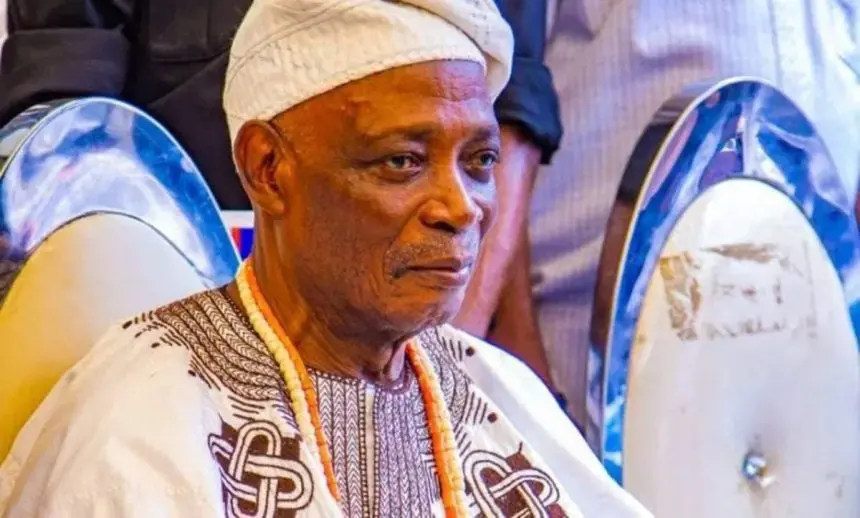
The incoming leader of Ibadan’s centuries-old traditional monarchy, Oba Rasidi Adewolu Ladoja, has pledged to swiftly address leadership gaps within the Olubadan chieftaincy hierarchy following the recent death of Oba Akinloye Owolabi Olakulehin, the 43rd Olubadan of Ibadanland. The announcement came during a private meeting at Ladoja’s Lagos residence with Oba Abiodun Kola-Daisi, a high-ranking chief in the traditional system, signaling continuity in one of Nigeria’s most storied royal institutions. In a statement released Monday by his media aide, Adeola Oloko, Ladoja clarified he was outside Ibadan—a historic city in southwestern Nigeria—when news broke of Olakulehin’s passing. The Olubadan-designate honored his predecessor’s legacy, describing him as a leader who “lived an impactful life and gave a good account of himself” during his reign. The declaration to promptly fill vacancies in the chieftaincy line underscores efforts to maintain stability in a governance structure deeply interwoven with Yoruba cultural identity. The Olubadan system, a hierarchical council of chiefs responsible for traditional leadership in Ibadan, operates under strict succession rules. Vacancies typically trigger promotions across multiple tiers, making timely transitions critical to preserving its integrity. Ladoja’s assurance comes amid broader scrutiny of Nigeria’s traditional institutions as they balance ceremonial roles with modern governance challenges. Kola-Daisi, addressing Ladoja during the Lagos meeting, offered condolences while reaffirming his allegiance to the incoming monarch. His public gesture highlights the collaborative dynamics within the chieftaincy structure, which has historically relied on consensus among titled leaders. Though timelines for the transition remain unspecified, the exchange signals a coordinated effort to avoid prolonged interregnums that could undermine the council’s authority. Ladoja, a former governor of Oyo State, brings political experience to his impending role as Olubadan—a position combining spiritual, cultural, and advisory functions. Observers note his proactive stance may quell potential disputes in a system occasionally strained by modernization pressures and competing interests. As Ibadan, Nigeria’s third-largest city, navigates rapid urbanization, the monarchy’s ability to adapt while upholding tradition remains a focal point for its over three million residents. The late Olakulehin’s reign, though brief, was marked by efforts to mediate community concerns, including land disputes and youth unemployment. His successor now faces the dual task of honoring these traditions and addressing contemporary issues affecting one of West Africa’s fastest-growing urban centers. With vacancies set to be filled without delay, the centuries-old institution prepares to write its next chapter under shifting sociopolitical tides.
Metro News Africa
2 min read
Olubadan-designate Ladoja Vows to Swiftly Fill Chieftaincy Vacancies
The incoming leader of Ibadan’s centuries-old traditional monarchy, Oba Rasidi Adewolu Ladoja, has pledged to swiftly address leadership gaps within […]
More stories like this

Metro News Africa
Giannis Antetokounmpo Heads to Miami: Bucks and Heat Agree to Blockbuster Trade

Metro News Africa
Judge Blocks Trump Voter Database, Citing Privacy Breach and Error-Ridden Data

Metro News Africa
Messi Shatters World Cup Scoring Record with a Twist of Drama
Metro News Africa
Comments are closed for this story.