
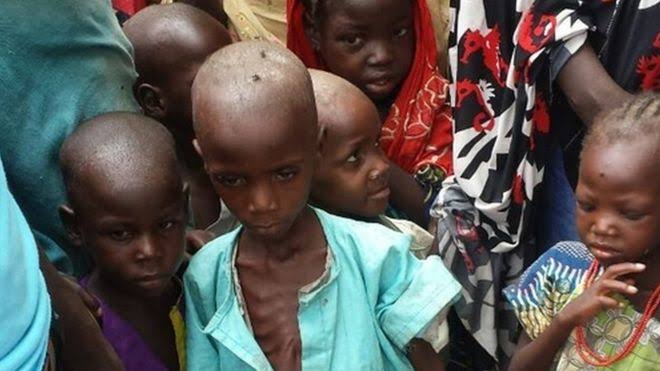
Nigeria’s Federal Government has expressed concern over the country’s “triple burden” of malnutrition, which includes undernutrition, overnutrition, and micronutrient deficiencies. According to the Permanent Secretary of the Ministry of Health and Social Welfare, Ms. Daju Kachollom, micronutrient deficiencies can impair cognitive development, reduce productivity, and increase maternal and child mortality. Represented by Mrs. Ladidi Bako-Aiyegbusi, Director of Nutrition, Kachollom noted that most Nigerian diets lack essential vitamins and minerals, with staples such as maize, cassava, and rice being high in calories but low in nutrients. The 2024 Nigeria Demographic and Health Survey found that 40% of children aged 6-59 months suffer from stunting, while 8% experience wasting and 27% are underweight. Furthermore, the 2021 National Food Consumption and Micronutrient Survey revealed that 79% of Nigerians are food insecure, with one in three children in the same age group being vitamin A deficient, over one-third being zinc deficient, and more than 20% suffering from iron deficiency. Adolescent girls and pregnant women are also at risk, with high levels of vitamin A and iron deficiency threatening maternal and newborn health. To address these issues, Kachollom identified Large-Scale Food Fortification as a key public health tool. While Nigeria has made progress in salt iodisation and fortification of wheat flour, sugar, and vegetable oil, compliance among Micro, Small, and Medium Enterprises remains inconsistent due to weak enforcement and limited access to affordable premixes. Experts emphasize the need for a multi-stakeholder approach to strengthen local systems and scale up impact. This includes tightening regulations, supporting local premix production, and adopting technology to monitor compliance. Private sector players must invest in domestic production, while civil society and development partners provide technical support and advocacy. The Nigeria Health Watch Roundtable, themed “Fortifying Nigeria’s Future: Strengthening Nutrition through Local Solutions,” brought together government, private sector, civil society, and development partners to explore sustainable strategies to strengthen Nigeria’s fortification ecosystem and save lives. With a significant gap between nutrition targets and on-the-ground outcomes, the need for collective action to address the country’s malnutrition challenges is urgent.
Metro News Africa
2 min read
Nigeria malnutrition concerns raised over hidden hunger and deficiencies
Nigeria’s Federal Government has expressed concern over the country’s “triple burden” of malnutrition, which includes undernutrition, overnutrition, and micronutrient deficiencies. […]
More stories like this

Metro News Africa
The Flat Screen Revolution: How We Learned to See the World in Pixels

Metro News Africa
Beyond the Double Helix: How Functional Genomics Is Rewriting the Blueprint of Life

Metro News Africa
Reno Omokri Wishes NDC Presidential Candidate a Happy Birthday

Metro News Africa
Comments are closed for this story.