
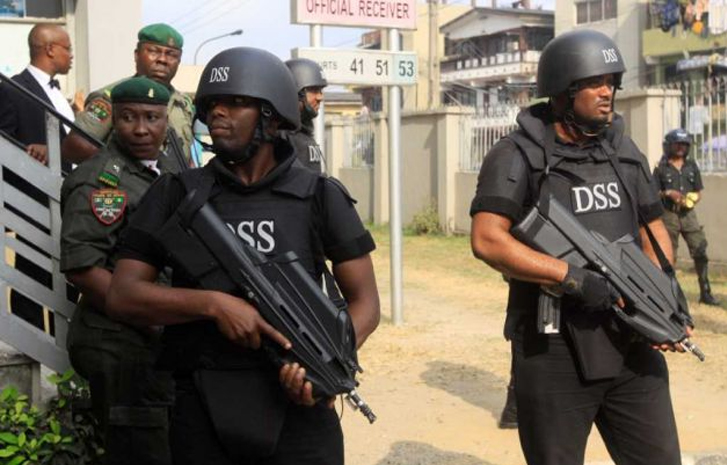
The State Security Service (SSS) arraigned nine suspects linked to the recent deadly attack in Yelwata, Guma Local Government Area of Benue, and parts of Plateau. The individuals, named in six separate charges, appeared before Justice Emeka Nwite of the Federal High Court in Abuja and pleaded not guilty. The charges, filed on August 28, include unlawful possession and dealing in firearms, assisting terrorism activities, and complicity in the attack. Under Section 12 of the Terrorism Prevention and Prohibition Act 2022, these offenses are punishable by law.
According to the SSS, the suspects conspired to carry out the Yelwata attacks, which resulted in loss of life, injuries and the displacement of hundreds. SSS counsel Calistus Eze presented the charges against Haruna Adamu and Muhammad Abdullahi, accused of attacking the villages of Abinsi and Yelwata on June 13. The court also heard charges against Ashuwa, Alede and Halima Umar, as well as Manjo and Tali. Justice Nwite ordered that all suspects be remanded in SSS custody and granted access to their lawyers.
The matter involving Ashuwa, Alede and Halima Umar was adjourned until October 2 for trial, while the charge against Manjo and Tali was postponed to October 17 for review and trial. The trial of Antu and Oloche is likewise scheduled for October 17.
In a related development, the SSS filed a fresh five‑count charge against suspected gunrunner Huzaifa Ahamad Haruna, also known as Huzaifa Dogo, who was allegedly arrested with seven M16 assault rifles. These charges underscore the SSS’s ongoing efforts to combat rising insecurity in Nigeria, particularly in the affected regions.
The arraignment of the suspects and the filing of new charges demonstrate the authorities’ determination to bring those responsible for the violence to justice. As the trials progress, more information is expected to emerge about the circumstances surrounding the attacks and the alleged involvement of the suspects. The outcomes will be closely watched, given the significance of the attacks and the need to address underlying security challenges in the region.

![Troops, terrorists exchange gunfire in Kogi [VIDEO]](https://mediatalkafrica.com/wp-content/uploads/2026/01/Terrorists-Exchange-Gunfire-With-Nigerian-Troops-In-Kogi-State-768x576.jpeg)
Comments are closed for this story.