
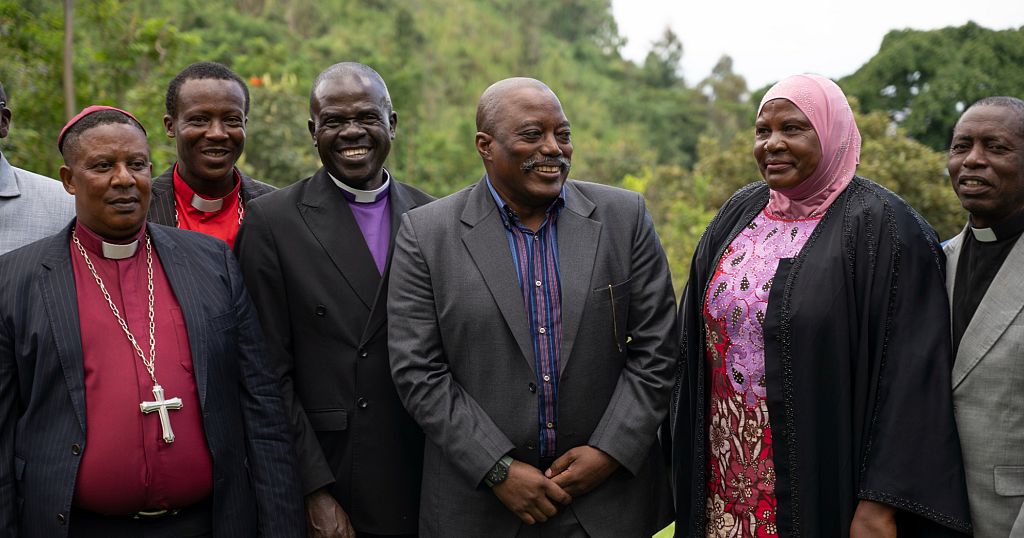
Former Congolese president Joseph Kabila has condemned the military prosecutor’s decision to seek the death penalty in his treason trial, calling the move a political tactic designed to silence the opposition. He argued that the trial “has nothing to do with justice” and criticized his successor, Félix Tshisekedi, for failing to take responsibility for his government’s shortcomings and for alleged corruption in the Katanga mining provinces.
Kabila stressed the need for dialogue among all political actors, asserting that “reconciliation will come neither from partial agreements nor from selective trials.” His remarks follow his return to the Democratic Republic of Congo in April, after a two‑year self‑imposed exile, when he arrived in the eastern city of Goma, which had recently been seized by M23 rebels. The Congolese Senate subsequently revoked his parliamentary immunity, clearing the way for legal proceedings.
The former president is now being tried in absentia before the High Military Court on charges of treason, war crimes, rape and murder. Authorities accuse him of supporting the Rwanda‑backed M23 group and plotting to overthrow the government, claims Kabila has labeled “false and politically motivated” and unsupported by evidence. In addition to seeking the death penalty, the prosecutor has asked for a 20‑year sentence for alleged condoning of war crimes and a 15‑year term for conspiracy.
The trial carries significant implications for the DRC’s political landscape, drawing close attention from international observers who worry about the potential for further unrest. As the proceedings continue, it remains uncertain how the government will respond to Kabila’s accusations or what measures will be taken to address the ongoing tensions between the opposition and the ruling party. Given the country’s history of political instability and conflict, the outcome is likely to have far‑reaching consequences for the people of the Democratic Republic of Congo.

Comments are closed for this story.