
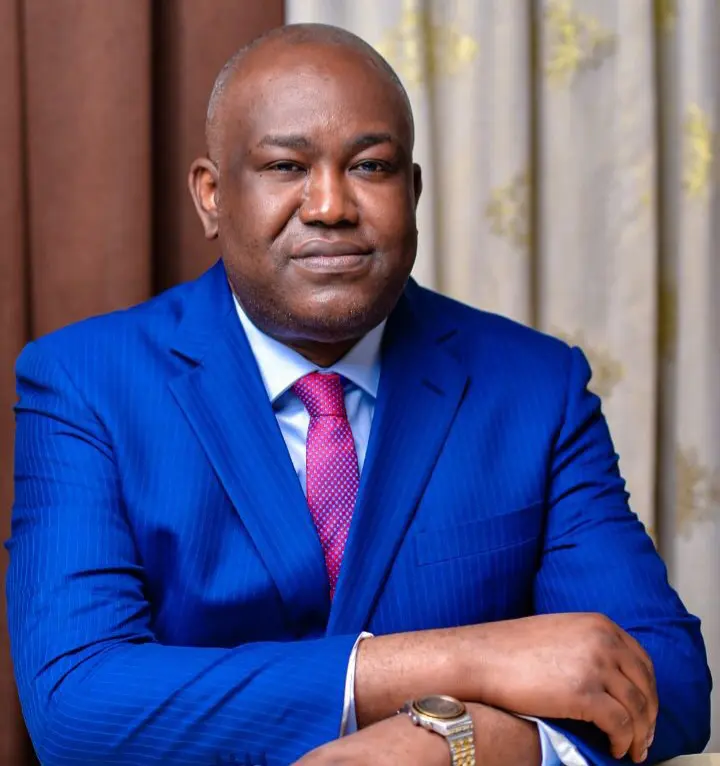
A former Peoples Democratic Party (PDP) official has voiced concerns about the party’s decision to zone its 2027 presidential ticket to the South, warning that it could deepen national divisions. Gbenga Olawepo‑Hashim, who previously served as the PDP’s Deputy Publicity Secretary, argues that zoning elective offices is both unconstitutional and discriminatory, as the Nigerian constitution does not permit such restrictions.
In an interview with Arise TV, Olawepo‑Hashim noted that no political party in Nigeria’s history has formally barred candidates from contesting on the basis of their region of origin. He recalled the 1999 elections, when an unwritten agreement favored a South‑West candidate but still allowed contenders from other zones to run, thereby giving delegates the freedom to make informed choices.
Olawepo‑Hashim cautioned that turning zoning into a formal policy could inflame tensions, pitting one part of the country against another. He stressed that competence and leadership matter more to Nigerians than the president’s regional background. Voters, he said, are primarily concerned with a leader’s ability to address economic challenges and national security, irrespective of zone.
He cited the most recent election as evidence, pointing out that President Bola Tinubu, a Southerner, received the bulk of his votes from the North. This, Olawepo‑Hashim argued, shows that the electorate is not swayed by regional considerations.
His comments underscore the complexities of Nigeria’s political landscape, where regional zoning remains a contentious issue. As the 2027 presidential election approaches, the PDP’s decision to zone its ticket to the South will be closely watched, with potential ramifications for voter behavior and inter‑regional relations. With Nigerians increasingly focused on economic development and security, the debate over zoning is likely to continue, prompting important discussions about the country’s future.



Comments are closed for this story.