
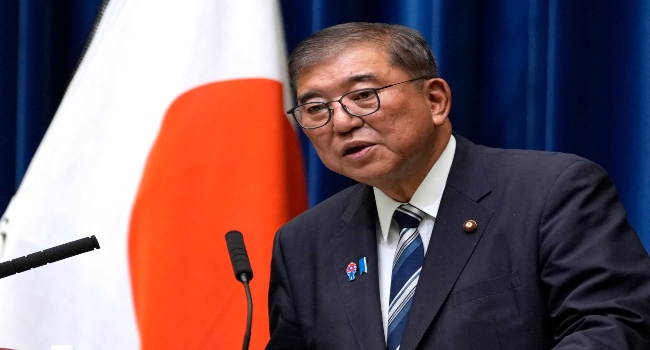
Japanese Prime Minister Shigeru Ishiba announced his resignation on Sunday, less than a year after taking office, amid mounting pressure from opponents and a notable decline in his party’s parliamentary majority. The 68‑year‑old said at a news conference that he believes now is the appropriate moment to step down, especially after the recent conclusion of negotiations on U.S. tariff measures. He will remain in his post until a leadership election is held, giving the long‑dominant Liberal Democratic Party (LDP) time to prepare for the transition.
Ishiba’s tenure has been marked by significant electoral setbacks. The LDP suffered its worst lower‑house result in 15 years in the October 2024 elections and performed poorly in the July upper‑chamber vote. Opponents have called for his resignation to take responsibility for these outcomes. The party’s waning popularity stems from rising prices, falling living standards, and a series of corruption scandals.
The United States recently lowered tariffs on Japanese automobiles from 27.5 percent to 15 percent after a trade pact negotiated in July, but the industry still faces considerable challenges. Ishiba’s resignation introduces fresh uncertainty for Japan, the world’s fourth‑largest economy, which is already grappling with rising food prices and the repercussions of U.S. tariffs on its vital automotive sector.
The LDP, which has governed Japan almost continuously since 1955, is now poised to elect a new leader. Ishiba’s most prominent rival, hard‑line nationalist Sanae Takaichi, is likely to contest the leadership election after coming close to winning the previous vote. Other potential contenders include farm minister Shinjiro Koizumi. A recent Nikkei survey indicated that while some respondents favored Takaichi or Koizumi as Ishiba’s successor, a majority believed a leadership contest was unnecessary.
Ishiba’s resignation marks a significant shift in Japan’s political landscape, with potential implications for the country’s economic and foreign policies. As the LDP prepares for a leadership election, the nation awaits the next steps in its political journey amid ongoing challenges and uncertainties.


Comments are closed for this story.