
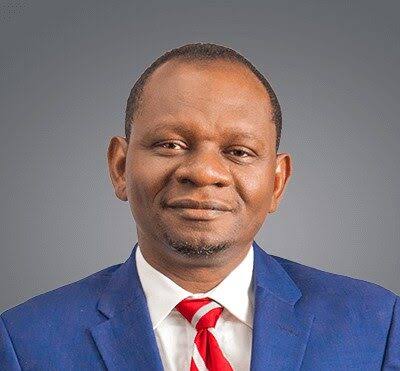
The National Primary Health Care Development Agency (NPHCDA) has highlighted persistent challenges in Nigeria’s health system despite increased budget allocations at both federal and state levels. Dr. Muyi Aina, Executive Director and Chief Executive Officer of NPHCDA, explained that currency fluctuations and rising service costs continue to strain the system, while out‑of‑pocket expenditure still accounts for a large share of healthcare spending. The public sector contributes only 14 percent of total health expenditures.
To address these issues, the National Health Insurance Authority (NHIA) and partners organized a National Health Financing Policy Dialogue themed “Reimagining the Future of Health Financing in Nigeria.” The dialogue aimed to develop more equitable, sustainable and accessible financing models and to close funding gaps in the health sector.
According to Dr. Aina, the government has mobilized N3.5 billion, with 60 percent pooled from mechanisms such as the Basic Health Care Provision Fund (BHCPF), the Global Fund, Gavi and PEPFAR. These funds are being disbursed to 8,309 facilities nationwide, with quarterly allocations recently increased from an average of N300,000 to between N600,000 and N800,000, depending on facility size and patient volume. The government is committed to closing financing gaps through stronger co‑financing at federal, state and local levels, coupled with performance‑based accountability measures.
A direct funding mechanism is being rolled out across the country to improve accountability in healthcare spending. Piloted in four to five states, the model channels payments for commodities and health‑worker salaries directly into designated accounts, making the process transparent and traceable.
Dr. Aina also noted that government analysis revealed that 15 percent to 25 percent of non‑campaign vaccines in Nigeria cannot be accounted for, with losses attributed to wastage, inaccurate population estimates, procurement inefficiencies, or weaknesses in vaccine management systems. Further state‑level analysis is underway to close this accountability gap. The Federal Government is investigating discrepancies in vaccine utilization across several sub‑national units, where some areas reportedly consume up to four times more vaccines than their recorded coverage rates.
Through efficiency measures, the government has reduced projected vaccine procurement costs for the next five years from $1.5 billion to $1 billion, ensuring smarter spending of limited resources. These efforts are crucial as Nigeria strives to provide equitable, sustainable and accessible healthcare to all its citizens.



Comments are closed for this story.