
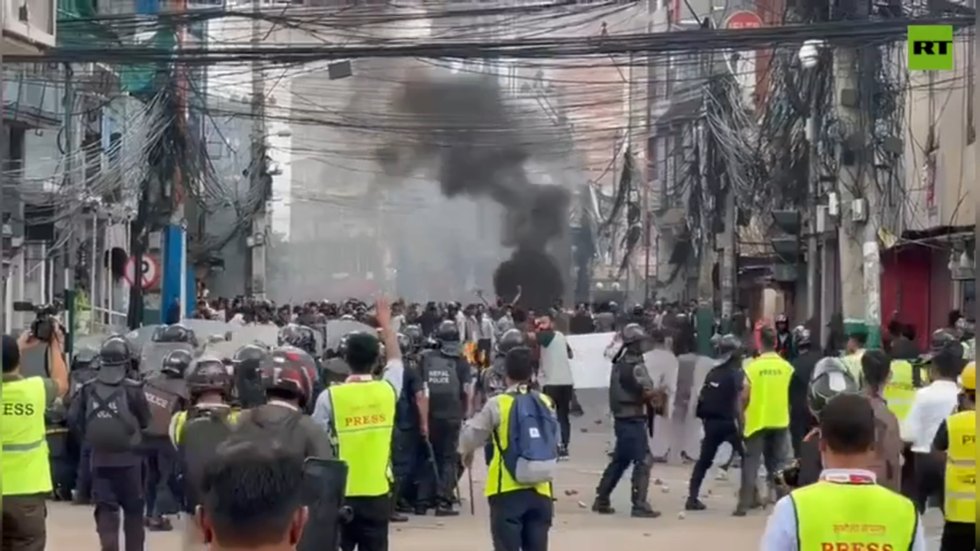
Nepal’s government has reversed its decision to ban several social media platforms, including Facebook, YouTube, and X, after violent protests resulted in significant loss of life and injuries. The demonstrations began on Monday, led by young people, after 26 websites were blocked for failing to register under new regulations that local media said censored free speech and sparked widespread outrage.
Protesters attempted to enter a restricted zone near parliament, prompting police to use live rounds, tear gas, water cannons, and batons. Official reports indicate that 17 people were killed in Kathmandu alone and more than 400 were injured, including over 100 police officers. A 20‑year‑old protester quoted by AFP said they had joined the protest peacefully but were met with government violence.
In response, India’s Foreign Ministry issued a statement calling for restraint and peaceful dialogue, expressing deep sadness over the loss of young lives and noting that it is closely monitoring the situation in Nepal. Following the unrest, Nepal’s home minister resigned during a cabinet meeting on Monday evening, and the private residence of the information and communication minister was set on fire by protesters.
Despite the decision to lift the social media ban, demonstrations continued on Tuesday in Kathmandu. Protesters gathered outside parliament demanding the government’s removal or dissolution, citing unemployment and corruption as primary concerns. The situation remains volatile, with the government under mounting pressure to address the underlying issues that sparked the protests. The international community is watching closely, urging a peaceful resolution and respect for human rights.

Comments are closed for this story.