
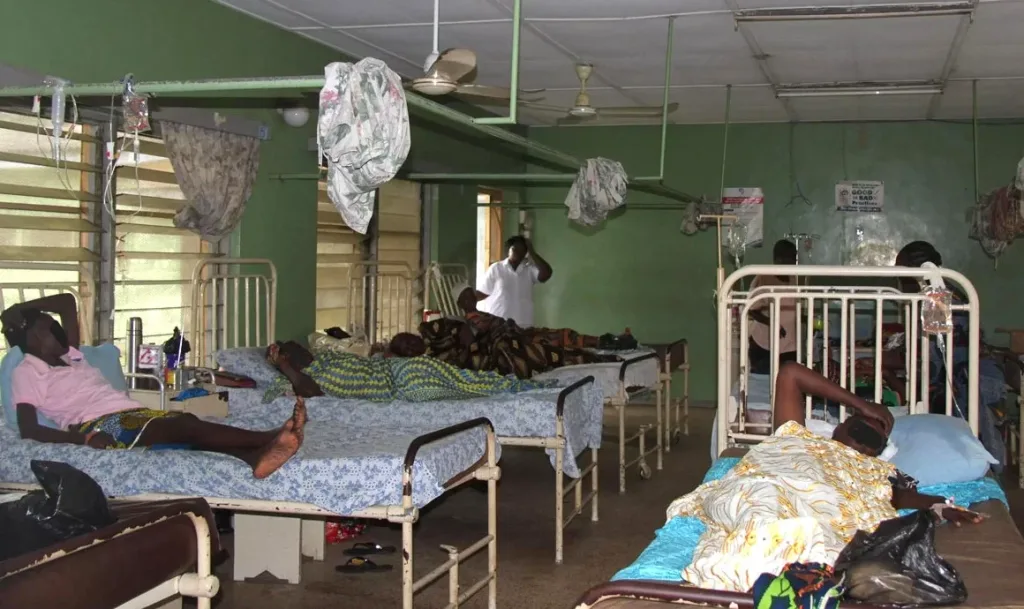
The Nigeria Centre for Disease Control and Prevention (NCDC) announced that two recent suspected cases of viral hemorrhagic fever in Abuja have tested negative for Ebola and Marburg viruses. This finding eases concerns about the possible introduction of these diseases into the country via African travelers.
According to a public health advisory from NCDC Director‑General Dr. Jide Idris, the agency is conducting further tests on additional samples to rule out other viral hemorrhagic fevers, such as Lassa fever and dengue fever. The initial suspect cases arose when a traveler returning from Kigali presented himself to an Abuja hospital for testing after feeling unwell. The individual’s prompt action, combined with the vigilance of the hospital team, quickly activated the public health system and minimized risk to the public.
NCDC has been proactive in responding to the situation, collating and analyzing relevant data to improve its response. Following recent reports of Ebola outbreaks in other countries, the agency carried out a dynamic risk assessment and implemented anticipatory measures nationwide. These measures include strengthening surveillance at points of entry, activating isolation and treatment facilities, and prepositioning critical infection‑prevention supplies.
The agency is also working with state governments and partners to enhance readiness across all 36 states and the Federal Capital Territory. Efforts include upgrading isolation facilities and providing infection prevention and control (IPC) training for healthcare workers. Dr. Idris has advised state governments and ministries of health to continue supporting disease surveillance officers, ensure isolation centers remain functional, and provide the resources needed for rapid response.
Healthcare workers in both public and private facilities have been urged to maintain a high index of suspicion, apply strict infection‑prevention measures, and report unusual cases immediately through established channels. NCDC’s prompt response and collaborative efforts with stakeholders aim to prevent the spread of viral hemorrhagic fevers and protect public health in Nigeria. As the agency continues to monitor the situation, its actions underscore the importance of vigilance and preparedness in preventing and responding to public health threats.



Comments are closed for this story.