
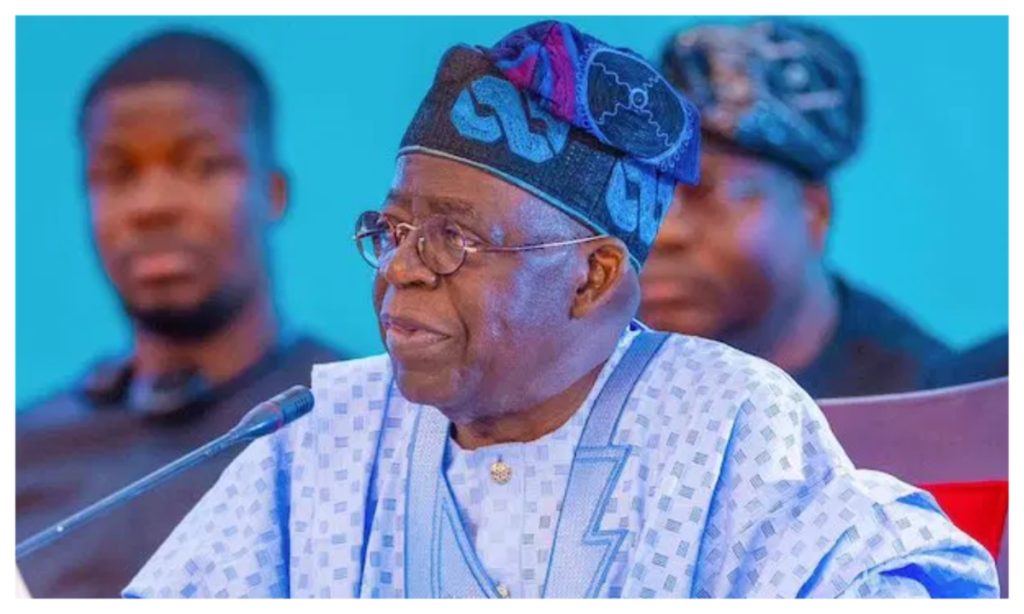
The Nigerian government has announced a series of reforms in the education sector as part of President Bola Ahmed Tinubu’s “Renewed Hope” agenda. According to Olusegun Dada, the President’s Special Assistant on Social Media, these measures aim to improve the country’s education system and produce well‑rounded, skilled graduates who can contribute to national development.
Key reforms include the introduction of a student‑loan scheme to provide financial assistance to those pursuing higher education, and the reinstatement of history as a core subject at all levels, recognizing its role in shaping future generations. The Education for Renewed Hope Roadmap, launched by the National Education and Research Storage Infrastructure (NESRI), outlines the government’s strategy for revitalising education, with particular emphasis on entrepreneurship, digital literacy, and civic education. A comprehensive curriculum review is also underway to embed these critical skills into the national curriculum.
In addition, the government plans to expand the school feeding programme, now linking it to digital registries managed by the National Identity Management Commission (NIMC). This integration is expected to improve the programme’s efficiency and effectiveness.
These reforms demonstrate a strong commitment to overhauling the education sector. Their successful implementation will be crucial for achieving the objectives of the Renewed Hope agenda and shaping the future of education in Nigeria.

Comments are closed for this story.