
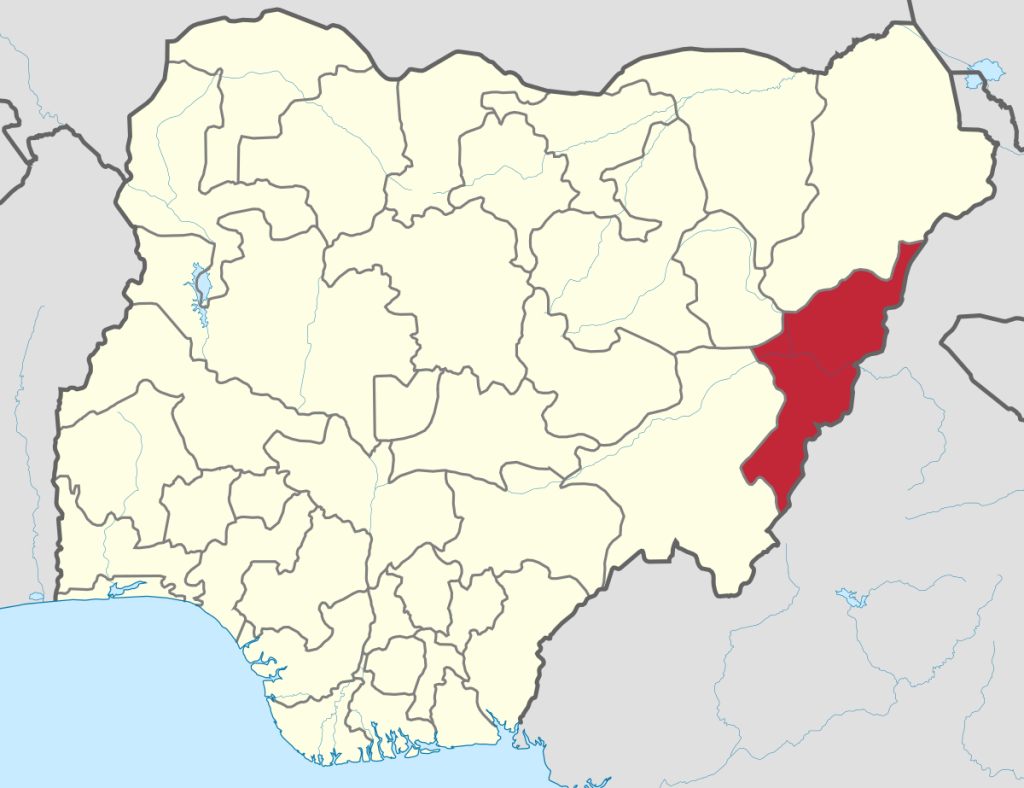
A mysterious flesh‑eating disease has claimed seven lives in Malabu, Adamawa State, prompting the Federal Government to launch laboratory investigations to determine the exact cause. According to Dr. Adesigbin Olufemi, acting National Coordinator of the National Tuberculosis, Buruli Ulcer and Leprosy Control Programme, there were 67 confirmed cases as of September 10, with eight patients undergoing surgical treatment at Modibbo Adama University Teaching Hospital in Yola. The disease often begins as a boil, bursts, and gradually eats away flesh, raising serious concerns among health officials.
Although the precise cause remains unknown, Buruli ulcer is suspected to be responsible. This tropical disease, caused by *Mycobacterium ulcerans*, is commonly found in swampy environments and around stagnant riverine ecosystems. The mode of transmission is still unclear; some theories suggest insects such as water fleas or mosquitoes may play a role.
The Adamawa State Government, together with federal agencies and non‑governmental partners like REDAID, has responded proactively. Patients with mild symptoms are being treated at local health centres, while those with severe cases are referred to specialised hospitals. Public sensitisation campaigns are underway to educate residents about the disease and the importance of seeking early medical care. Initially, some residents attributed the illness to witchcraft, which delayed proper treatment. The remote location of Malabu—about two hours from Yola and accessed by poor roads—has further complicated a swift medical response.
Dr. Olufemi stresses that long‑term health security requires more than medical care; it also demands access to clean water and improved sanitation in rural communities. Providing pipe‑borne or borehole water can reduce residents’ exposure to the disease. The World Health Organization recognises Buruli ulcer as one of the world’s most neglected tropical diseases, primarily affecting rural, riverine communities with limited healthcare access.
The federal and state governments, supported by health partners, remain committed to treating patients and curbing further transmission. As investigations continue, health officials emphasise the importance of public awareness and early medical intervention in combating the disease.




Comments are closed for this story.