
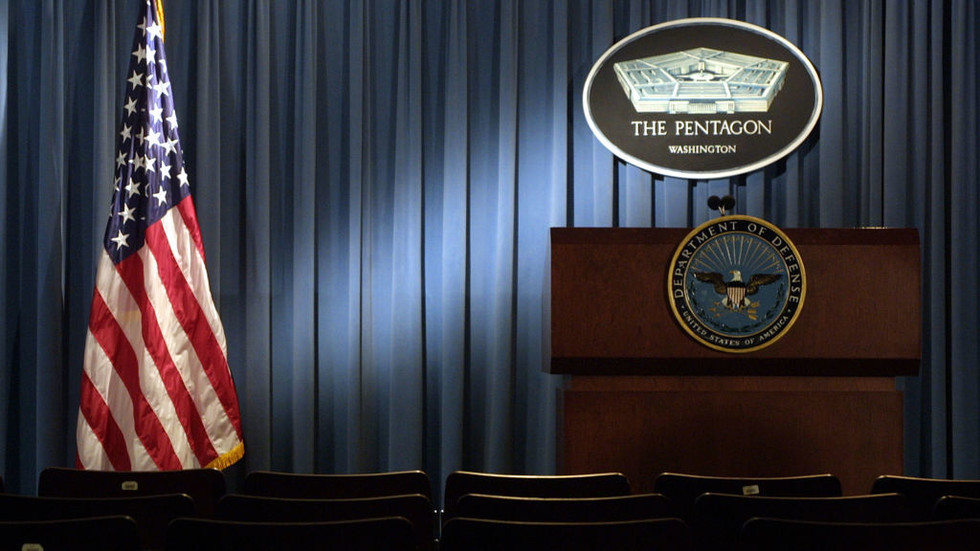
The Pentagon has introduced a new policy for media outlets that warns journalists making unauthorized disclosures may have their press credentials revoked. Reported by The Washington Post and Politico, the policy was outlined in a memo sent to media organizations on Friday. Under the new rules, journalists will be allowed access to Pentagon premises only if they sign agreements restricting their movement within the building and prohibiting them from obtaining or possessing unapproved materials.
The memo emphasizes the importance of transparency and accountability, but it also stresses that Department of War information must be approved for public release by an authorized official before it is disclosed, even when the material is unclassified. In response, the National Press Club condemned the policy as an unacceptable infringement on press independence and a dangerous precedent for access to public institutions.
Defense Secretary Pete Hegseth, addressing the backlash, said the press is no longer allowed to roam the halls of a secure facility and must wear a badge, follow the rules, or leave. The Pentagon has taken additional steps to limit direct communication between military personnel and the press, including subjecting employees to FBI polygraph tests to identify leakers. Attorney General Pam Bondi announced that federal authorities may seek access to journalists’ phone records and require them to testify in investigations of unauthorized disclosures.
The new policy is part of a broader effort to crack down on information leaks, raising concerns about press freedom and journalists’ ability to report on important stories. Its implications for the media and the public are significant, potentially limiting access to information and restricting journalists’ capacity to hold those in power accountable. As the situation develops, it remains to be seen how the media and the Pentagon will navigate these changes and their impact on the public’s right to know.

Comments are closed for this story.