
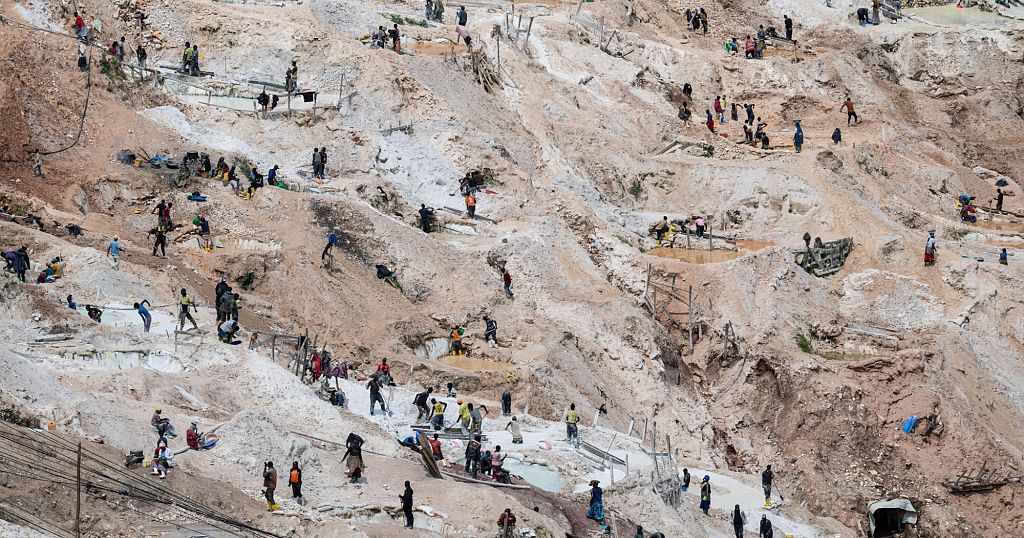
The Democratic Republic of Congo, the world’s leading producer of cobalt, announced that its export ban on the mineral will be lifted on October 16. The country’s strategic minerals regulator said that, instead of a blanket ban, Congo will implement a strict annual export‑quota system to manage the global supply of cobalt, a key component in electric‑vehicle batteries.
For the remainder of 2025, miners will be allowed to export up to 18,125 tonnes of cobalt. The quota will rise to 96,600 tonnes for each of 2026 and 2027. The new system follows a ban imposed in February after cobalt prices fell to a nine‑year low, prompting major producers such as Glencore to declare force majeure. By limiting oversupply, the quotas aim to support prices and strengthen market control.
The move is especially significant amid rising conflict in eastern Congo, where illegal mining fuels violence by M23 rebels. While Glencore backs the quota system, rival CMOC has voiced opposition. Congo’s largely unregulated artisanal mining sector remains a challenge for global efforts to ensure traceability and ethical sourcing of cobalt.
To address these concerns, the regulator announced that 10 % of cobalt exports will be reserved for strategic national projects. It will also have the authority to buy back any stockpiles that exceed company quotas. Quotas may be adjusted in response to market trends or progress in local refining, providing a more stable and controlled environment for the global cobalt market.
The lifting of the export ban and the introduction of the quota system are major developments for the mining industry and the worldwide market for electric‑vehicle batteries. As the top cobalt producer, Congo’s actions are likely to have a profound impact on the supply and pricing of this critical mineral.



Comments are closed for this story.