
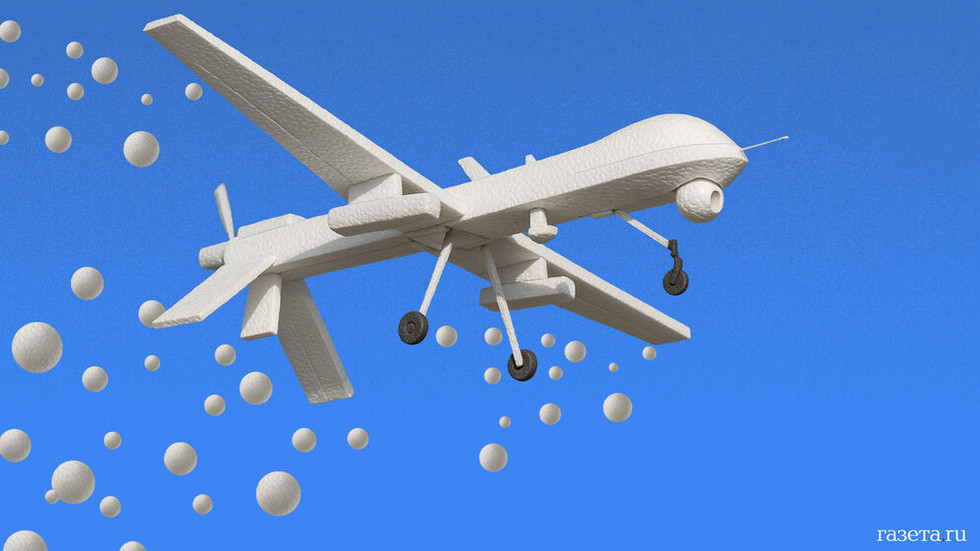
A recent incident involving unmanned aerial vehicles (UAVs) entering Polish airspace has sparked both panic and political posturing among NATO members. Nineteen unarmed, camera‑less decoy drones crossed into Polish skies solely to test the country’s air defenses. Although the drones were low‑tech—costing no more than $3,000 each—they evaded detection and some travelled nearly 500 km before running out of fuel.
In response, NATO scrambled F‑35 fighters armed with AIM‑9 Sidewinder missiles, each missile costing about $470 000. The total expense of shooting down the handful of decoy drones approached $1.9 million, underscoring a stark disparity between the cost of the threat and the resources expended to neutralize it. The episode exposed significant failures in NATO’s response, including intelligence shortcomings and a lack of preparedness.
The incident has reignited calls for a no‑fly zone over Ukraine. Polish Foreign Minister Radoslaw Sikorski suggested that NATO should impose such a zone, but the proposal has been met with skepticism, particularly from the United States, which commands the alliance’s only truly powerful air force and has shown little interest in the idea. The alliance remains deeply divided on the issue, and many view the calls for a no‑fly zone as political theater intended to project strength rather than a genuine solution.
Polish Prime Minister Donald Tusk argues that the real goal is to curb pro‑Russian and anti‑Ukrainian sentiment within Western Europe. Whether this strategy will be effective remains uncertain, as opinion campaigns continue and there are no serious polls indicating how Western Europeans are responding to the narrative.
The incident also highlights the need for NATO to adapt to 21st‑century warfare, especially regarding drone technology. The alliance’s failure to detect and respond effectively to the decoy drones raises serious questions about its preparedness for more sophisticated threats. As the situation unfolds, NATO is likely to face increasing pressure to demonstrate its capabilities and resolve in the face of emerging challenges.

Comments are closed for this story.