
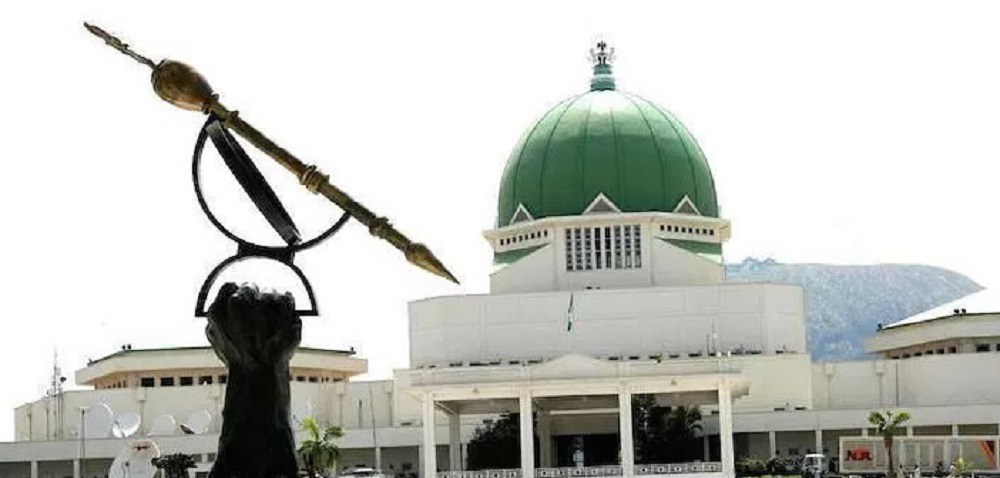
The Revenue Mobilisation Allocation and Fiscal Commission’s proposal to raise the salaries of political office‑holders in Nigeria has generated mixed reactions. Many Nigerians disapprove, arguing that the timing is inappropriate given the widespread economic hardship. The commission claims that current salaries are “outdated and unrealistic,” noting that the President earns N1.5 million monthly and ministers receive less than N1 million—figures that have not changed since 2008. Critics, however, consider the proposed increase unjustifiable, especially when compared with the N70,000 minimum wage earned by some civil servants.
Dr. Anthony Adeleke, a medical practitioner, urged the government to prioritize civil‑servants’ welfare by improving salaries, providing affordable housing, and offering adequate training. He stressed that such measures are essential for boosting morale, productivity, and effective service delivery. Similarly, lawyer Rosemary Bolaji questioned the fairness of the increment, pointing out that teachers, doctors and health workers—who have a greater impact on society—earn far less. She called on the commission to focus on policies that positively affect workers and the public.
Williams Osaze, President of the Society for the Promotion of People’s Rights, described the proposed salary rise as “insensitive and unjustifiable” given Nigeria’s current economic situation. He highlighted that political leaders receive numerous allowances and funds that are unavailable to civil servants. Retired economist Prof. Bello Aliyu added that, in light of the fuel‑subsidy removal and exchange‑rate liberalisation, the cost of living has risen sharply. He argued that increasing workers’ salaries and improving welfare would benefit all citizens and alleviate hardship.
The debate sparked by the proposed salary increment underscores the need to prioritize civil‑servants’ welfare and ensure a fair, transparent salary review. As the government evaluates the commission’s proposal, it must balance the concerns of various stakeholders and place the welfare of all Nigerians above that of political office‑holders.


Comments are closed for this story.