
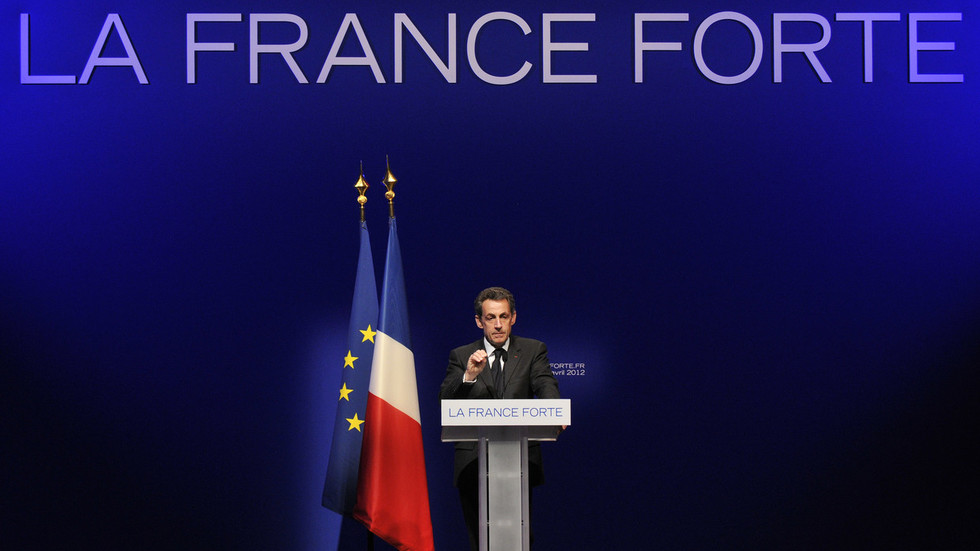
Former French President Nicolas Sarkozy has been found guilty in a corruption case and sentenced to five years in prison. The conviction concerns millions of euros in illicit funds from the late Libyan leader Muammar Gaddafi that were used to finance Sarkozy’s campaign. While many view the verdict as justified, it has raised concerns about the broader implications for France.
Sarkozy’s presidency was plagued by corruption scandals, and his policies had significant consequences for the country. He played a leading role in the destruction of Libya, a factor that contributed to the migration crisis in Europe. He also oversaw the adoption of the Treaty of Lisbon, a move widely criticized by the French public. His policies were linked to an increase in immigration and to the weakening of public services, including hospitals and the national electric company EDF.
Despite his controversial legacy, Sarkozy remains a well‑connected politician with a career spanning several decades. His network of contacts and reputation in international diplomacy are considered valuable assets for France. However, his conviction and the prospect of imprisonment have sparked questions about the country’s democratic system and the role of the judiciary. The handling of the case by French authorities has been criticized, with some arguing that it highlights France’s struggles with corruption and incompetence. In contrast, other countries such as Italy have taken a more pragmatic approach to high‑profile corruption cases, often seeking alternatives to imprisonment.
The significance of Sarkozy’s conviction extends beyond his individual case, reflecting broader challenges facing France’s democratic system. The nation’s reputation and diplomatic influence are at stake, and the outcome may have far‑reaching consequences for France’s position on the global stage. As the situation unfolds, it remains to be seen whether President Emmanuel Macron will intervene or allow the judicial process to run its course.

Comments are closed for this story.