
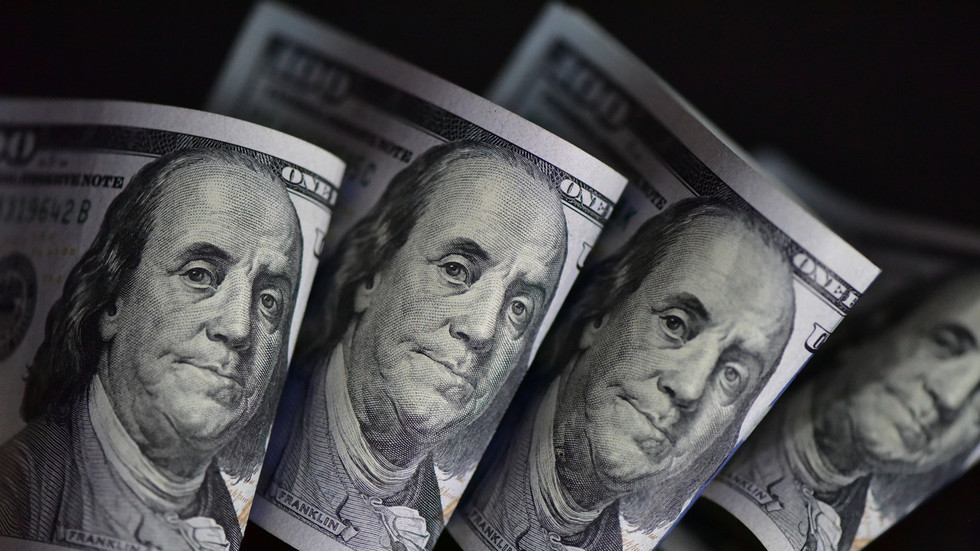
The International Monetary Fund (IMF) reports that the U.S. dollar’s share of global foreign‑exchange reserves has fallen to its lowest level in three decades. Between April and June, the dollar accounted for 56.3 % of allocated reserves, down 1.5 percentage points from the previous quarter. The IMF attributes this decline primarily to currency fluctuations rather than active selling by central banks. Exchange‑rate effects explained almost the entire drop, with about 92 % of the reduction stemming from valuation shifts.
During the same period the dollar weakened against major currencies, sliding 9 % against the euro, 11 % versus the Swiss franc, and 6 % against the pound sterling. These moves were influenced by President Donald Trump’s tariff hikes, pressure on the Federal Reserve to cut rates, and deficit‑raising tax changes. Total allocated foreign‑exchange reserves stood at $12.03 trillion at the end of June. The dollar’s performance in the first half of 2025 was especially stark, falling more than 10 % against major currencies—the worst start to a year since 1973—and contrasting with its traditional safe‑haven role.
In recent years some countries have sought to reduce reliance on the dollar. Russia, cut off from the Western financial system in 2022, has accelerated efforts to move away from both the dollar and the euro, increasing trade with partners using their national currencies—a trend supported by BRICS members. These economies are shifting away from Western currencies for trade settlements, partly in response to the weaponisation of the dollar through sanctions.
The shrinking share of the dollar in global reserves reflects a broader shift in the international economic landscape. As nations diversify their currency holdings and lessen dependence on the dollar, the U.S. currency’s traditional dominance may continue to erode. Economists and policymakers will be watching the implications of this trend closely in the coming months.



Comments are closed for this story.