
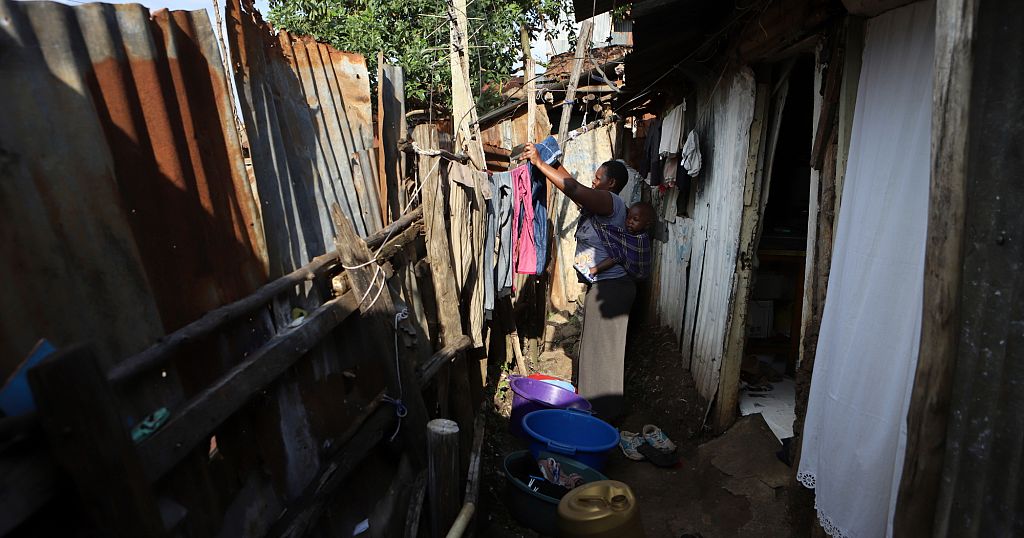
Kenya’s homelessness crisis has reached alarming levels, with thousands of individuals—including families and children—forced to live on the streets or in informal shelters. The situation is especially dire in Nairobi, where poverty, displacement, and limited access to affordable housing have intensified the problem. According to the 2018 National Census of Street Families, 46,639 people are living on the streets in Kenya, and poverty is identified as the primary cause of homelessness.
Many of those affected have endured years of hardship. Joyce Muthoni, a mother of three, has been living on the streets after losing her job. She faces hunger, cold nights, and police brutality, and stresses that employment opportunities could enable her and others to improve their living conditions and provide for their children. The World Bank estimates that 39.8 % of Kenyans live below the national poverty line, further complicating the crisis.
Informal settlements such as Kibera—the largest urban slum in Africa—have become home to many. Twenty‑two‑year‑old Jane Caren Knight pays roughly $17 per month for a mud house with a leaking roof. Her unstable job situation frequently puts her at risk of eviction, underscoring the precarious nature of life in these settlements.
To address the crisis, the Kenyan government has launched the Affordable Housing Programme, which aims to construct over 100,000 homes. George Omondi, Director of Housing and Infrastructure at the State Department of Housing and Urban Development, emphasized the need for a concerted effort to provide social‑housing programs with subsidized costs, enabling individuals to access affordable housing. President William Ruto has also proposed creating a multilateral coalition to combat the global housing crisis, recognizing that the issue extends beyond Kenya’s borders.
With a housing deficit of two million homes, according to the World Bank, Kenya’s homelessness crisis demands immediate attention and sustainable solutions. Government initiatives to provide affordable housing and tackle the root causes of poverty are crucial steps toward alleviating the suffering of those living on the streets. Prioritizing the needs of the most vulnerable populations and working toward a more equitable, sustainable housing system remain essential as the situation continues to unfold.




Comments are closed for this story.