
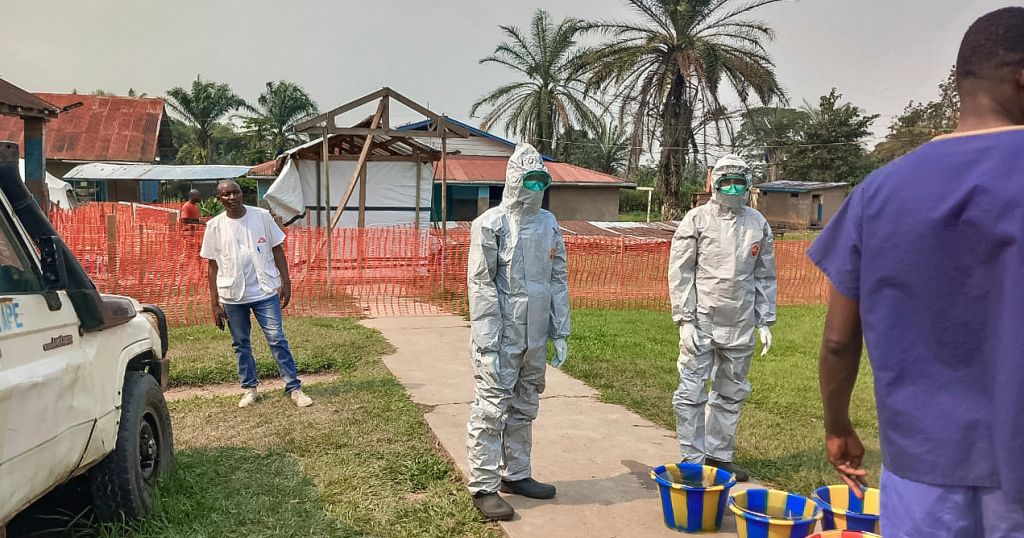
The World Health Organization (WHO) has reported a significant decline in the Ebola outbreak in southern Congo, with no new cases recorded since October 1. Ten days have now passed without any newly reported infections, suggesting that transmission in the affected areas may be under control.
The outbreak, announced on September 4, has produced a total of 64 cases in Congo’s Kasai Province—53 confirmed and 11 probable—and has caused 43 deaths, including 32 confirmed and 11 probable. This is the first Ebola outbreak in the remote region in 18 years, located more than 1,000 kilometers from the capital, Kinshasa. Health authorities and partner organizations had previously warned that a lack of funds and resources could hinder an effective response.
Improved logistics and field operations have been key to containing the disease. Helicopter and ground deliveries of medical supplies, together with the decontamination of three health facilities, have strengthened the response. The WHO attributes the steady decline in transmission and better case management to coordinated interventions led by the Ministry of Health, with support from the WHO and its partners.
Despite the progress, the WHO urges continued caution. Almost 2,000 contacts—people who may have been exposed to the virus—are still being monitored, and a single missed contact could reignite transmission, especially in areas with high population movement or limited community surveillance.
The Ebola outbreak in Congo remains a significant public health concern, and the WHO’s efforts to contain it are crucial. Ongoing monitoring and support are essential to prevent further transmission and bring the outbreak fully under control. This response underscores the importance of international cooperation and support in addressing public health emergencies.

![Troops, terrorists exchange gunfire in Kogi [VIDEO]](https://mediatalkafrica.com/wp-content/uploads/2026/01/Terrorists-Exchange-Gunfire-With-Nigerian-Troops-In-Kogi-State-768x576.jpeg)

Comments are closed for this story.