
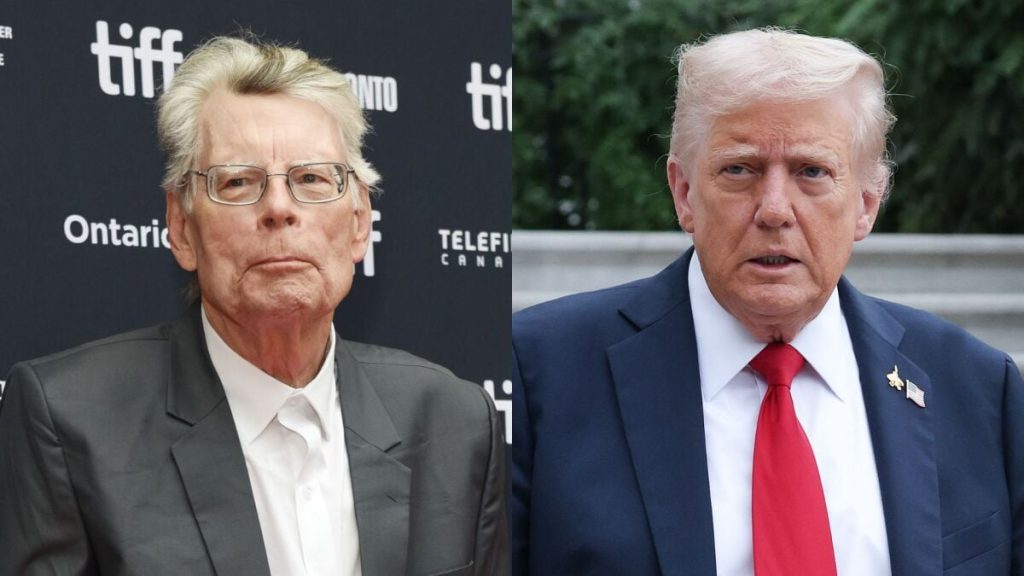
Author Stephen King has been actively engaging in political discussions on social media. Recently, he responded to a post by White House deputy chief of staff Stephen Miller about “left‑wing terrorism,” then turned his attention to President Donald Trump’s decision to deploy National Guard troops to cities controlled by the Democratic Party. On the platform X, King warned of the potential consequences, writing, “Troops in major cities. Next may come Trump explaining the national climate is ‘just too dangerous’ to vote in 2026. That’s how the authoritarian takeover works. Step by step.” This comment reflects his concern that democratic processes in the United States could erode.
King’s warning about authoritarianism is not an isolated incident. A few months earlier, he criticized Trump’s remarks about dictators, accusing the administration of turning the United States into a “fascist, authoritarian state.” He also predicted that the 2026 election could bring a significant backlash against the current administration, with Americans potentially rejecting Trump’s policies. However, his latest post suggests a shift in outlook, appearing less optimistic about the upcoming election and more worried that Trump might try to circumvent the democratic process altogether.
These developments highlight the ongoing debate over the state of U.S. politics and the role of public figures in shaping national discourse. As a renowned author, King’s political comments have attracted considerable attention, sparking discussions about the importance of protecting democratic institutions. The deployment of National Guard troops to major cities has further raised concerns about the use of military force in domestic affairs. As the 2026 election approaches, these issues are likely to remain at the forefront of public debate.


Comments are closed for this story.