
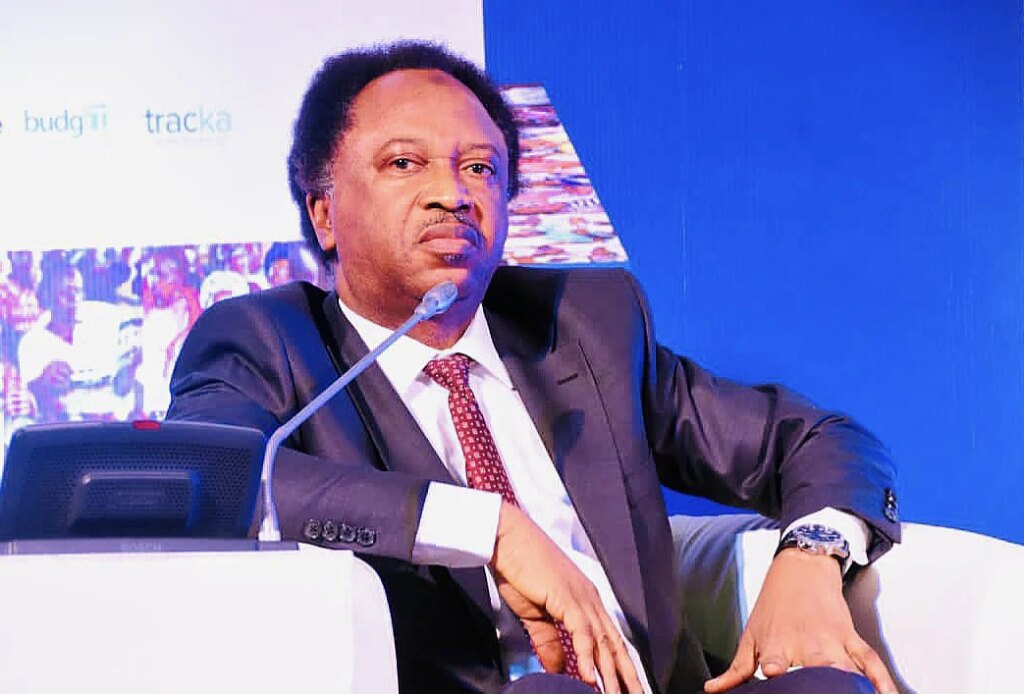
A former Nigerian lawmaker has warned that advanced democracies are gradually adopting dictatorial tendencies. Shehu Sani, a human‑rights activist and ex‑senator from Kaduna Central, voiced his concerns on social media, pointing to the threats and job losses faced by individuals who exercise freedom of speech online. He described a system that intimidates and silences members of the legislature, noting that freedom appears to be in decline.
Sani highlighted actions traditionally associated with dictatorships that are now appearing in advanced democracies. These include punishing universities for permitting protests, disrespecting judges, and targeting political opponents with fabricated charges. He also mentioned discussions about constitutional amendments to extend presidential tenure, the deployment of troops without due process, and the harassment of the media. Such developments raise alarm over the erosion of democratic values and the potential slide toward authoritarianism.
The situation Sani describes is not unique to Nigeria; similar trends have been observed in other countries. The intersection of social media, politics, and freedom of speech has become a contentious global issue. As the world grapples with balancing security, stability, and individual liberties, Sani’s concerns underscore the need for vigilance in protecting democratic principles.
In recent years, debate over the health of democracies worldwide has intensified. The rise of populist movements, increasing societal polarization, and the exploitation of social media for political gain have all contributed to uncertainty about democracy’s future. International observers and human‑rights organizations continue to monitor the situation, and it remains to be seen how advanced democracies will respond to these challenges and preserve their core values.



Comments are closed for this story.