
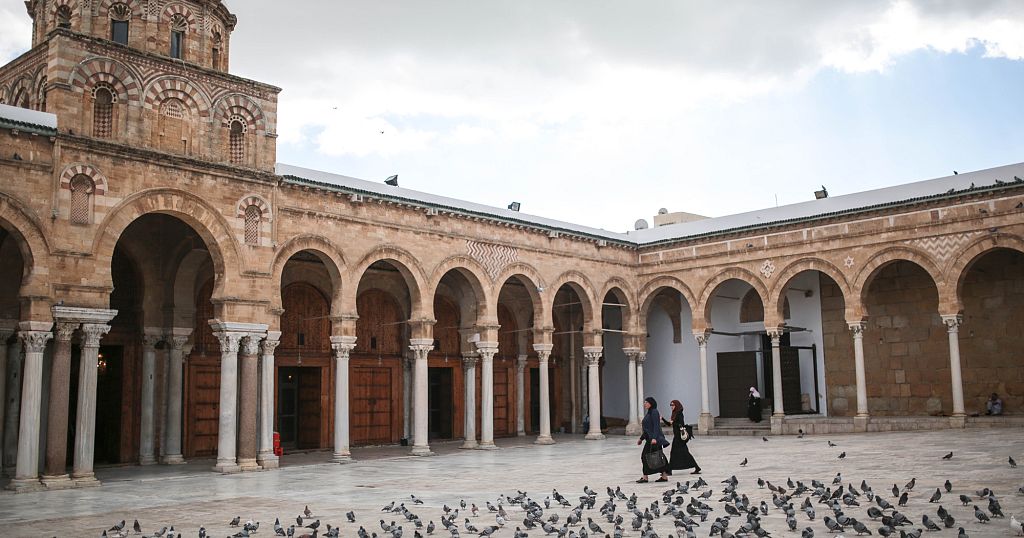
The newly restored Ahmed Bey Palace in Tunisia has become the venue for the “Italianisances” exhibition, a significant cultural event that showcases the Italian influence on Tunisian architecture. Originally opened in the coastal city of La Marsa before moving to Tunis, the exhibition highlights the lasting impact of Italian architectural and decorative styles on the country’s buildings.
Architect Houssam Eddine Othmani explains that the exhibition seeks to emphasize the architectural and decorative contributions of the Italian community, which was present in Tunisia from the 16th to the 20th century. Historian Ahmed Al‑Saadawi adds that Tunisia’s geographical and historical proximity to Italy is a primary reason for this influence. Built in 1847, the Ahmed Bey Palace itself testifies to Italian architectural impact and serves as a symbolic first venue for the exhibition.
The event presents various aspects of Tunisian architecture, including mosques, beylical palaces, and rural homes in the Medjerda valley. Notable examples of Italian influence appear in palaces such as the Bardo Palace, which features a Rococo‑style Italian hall, and in mosques like the Sabaghine Mosque and Hamouda Mosque, which exhibit Baroque elements.
Organized by the Nous Tous association, which works to preserve Tunisian heritage, the “Italianisances” exhibition is both cultural and educational, promoting awareness and appreciation of the country’s rich architectural history. It will be on display at the National School of Architecture and Urbanism in Tunis until October 18. The exhibition forms part of a broader effort to recognize and celebrate the diverse cultural influences that have shaped Tunisia’s architectural landscape. By highlighting the Italian imprint on Tunisian architecture, it offers visitors a unique opportunity to explore and understand the complex historical and cultural context of the nation’s built environment, making it a notable event on Tunisia’s cultural calendar.



Comments are closed for this story.