
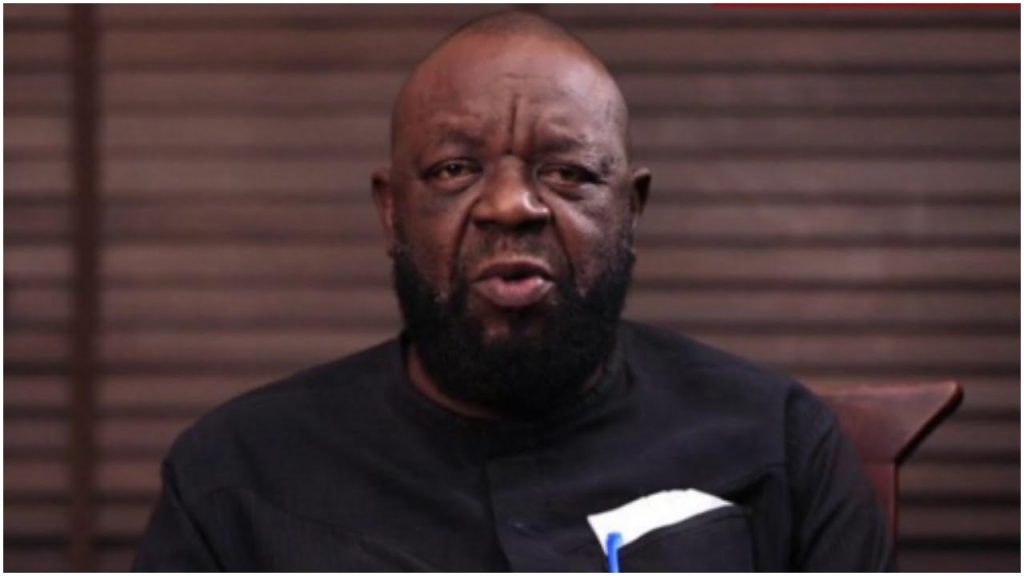
The detention of Mazi Nnamdi Kanu, leader of the Indigenous People of Biafra (IPOB), has ignited controversy, prompting his counsel, Aloy Ejimakor, to question President Bola Tinubu’s stance. Despite several court rulings ordering Kanu’s release, the federal government has not complied. In January 2022, a court ordered the government to pay Kanu N1 billion in damages and issue an apology. In October 2022, another court nullified his detention and awarded him N500 million in damages. Most recently, in October 2023, a ruling overturned the proscription of IPOB.
Ejimakor has voiced concern over the government’s refusal to honor these judgments, describing Kanu’s continued incarceration as a disregard for the rule of law. He made his remarks public in a post on X, directly addressing President Tinubu and asking whether Kanu had become his “personal prisoner.” The lawyer’s statement underscores the perceived inconsistency between the courts’ decisions and the government’s actions.
Kanu’s prolonged detention raises questions about the government’s commitment to upholding the law and respecting judicial decisions. IPOB, a separatist movement, has long been controversial in Nigeria, previously proscribed as a terrorist organization. The recent court rulings, however, have challenged that classification, creating uncertainty about the group’s legal status.
As the situation unfolds, attention focuses on President Tinubu’s response to the court orders and the potential implications for Kanu’s release. Developments in this case are being closely monitored both domestically and internationally, with many awaiting the government’s next move in addressing the judiciary’s decisions.




Comments are closed for this story.