
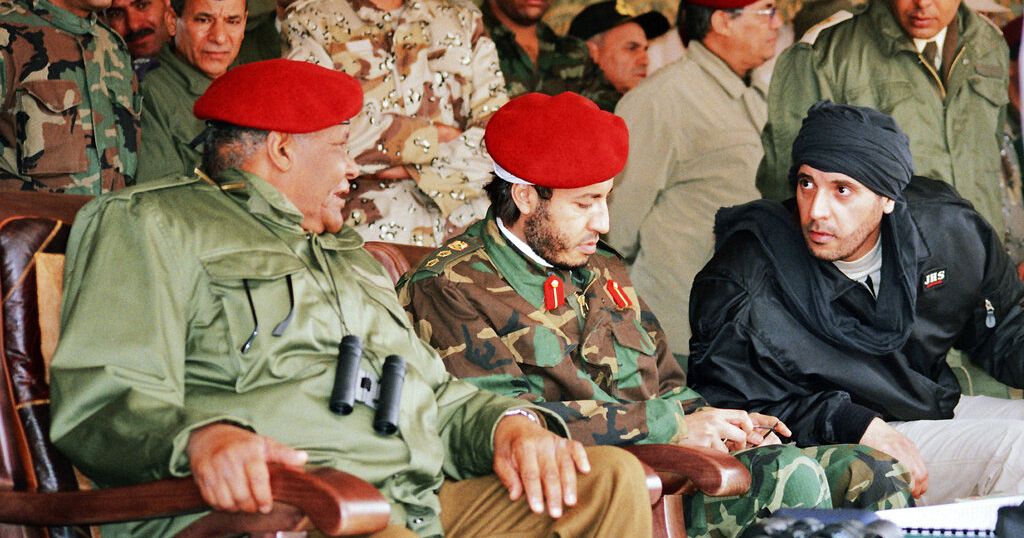
A Lebanese judge has ordered the release of Hannibal Gadhafi, the son of the late Libyan dictator Muammar Gadhafi, after ten years of imprisonment without charge. The release is conditional on the payment of an $11 million bail, a decision his lawyers intend to contest. Gadhafi has been detained in Lebanon since 2015, after Lebanese militants abducted him and demanded information about the whereabouts of prominent Shiite cleric Moussa al‑Sadr. His prolonged incarceration has drawn concern, especially after Libya formally requested his release in 2023 due to his deteriorating health. Gadhafi has also undertaken a hunger strike to protest his detention without trial.
On Friday, Judge Zaher Hamadeh questioned Gadhafi at the Justice Palace in Beirut and ordered his release once the bail is paid. In addition, Gadhafi will be prohibited from leaving Lebanon for two months. His defense team has filed a case against the Lebanese state in Geneva over the unlawful detention, a matter expected to be discussed in Switzerland next month. Gadhafi’s lawyer, Charbel Milad al‑Khoury, said his client lacks the means to pay the bail and will lodge an appeal on Monday to have the bail abolished, describing the decision as “almost impossible to be met” given the ten‑year detention without charge.
The disappearance of Moussa al‑Sadr in 1978, during a visit to Libya, remains a long‑standing issue in Lebanon. Gadhafi has been questioned repeatedly over the years but maintains that he knows nothing about al‑Sadr’s whereabouts. When asked about the cleric on Friday, he replied that he did not know and could not remember.
Hannibal Gadhafi’s release follows years of exile in Syria with his Lebanese wife and children. His father, Muammar Gadhafi, was killed in 2011 during Libya’s uprising‑turned‑civil war. The Gadhafi family has been deeply affected by the conflict, with several of Muammar’s children holding prominent government roles and some being killed or detained. This development is significant given the length of Hannibal’s detention without charge and concerns over his health. The forthcoming appeal against the bail decision is expected to shed further light on the circumstances of his detention and the conditions of his release, potentially impacting Lebanon’s judicial system and its handling of high‑profile cases.


Comments are closed for this story.