
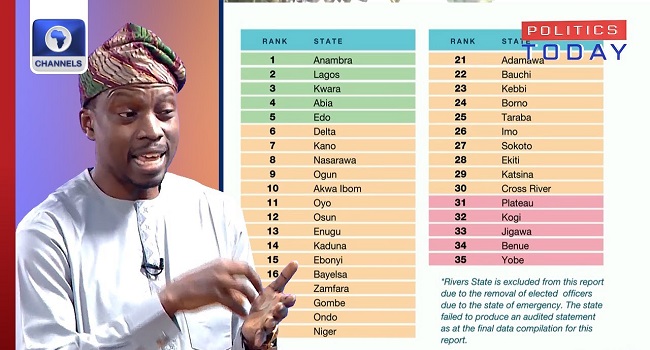
Nigeria’s state revenues have surged, with total revenue almost doubling compared to the 2023 fiscal year. This increase is largely attributed to higher allocations from the Federation Accounts Allocation Committee (FAAC) and the removal of fuel subsidies, according to a report by the civic‑tech organization BudgIT Foundation.
Vahyala Kwaga, Deputy Country Director of BudgIT, noted that states are now earning substantially more, and Internally Generated Revenue (IGR) has shown considerable improvement across the board. “The total revenue of all states has almost doubled compared to the 2023 fiscal year, driven by increased revenue and transfers from FAAC, as well as the removal of subsidies,” Kwaga explained.
The report presents a ten‑year performance review of Nigeria’s federating units, comparing year‑on‑year IGR growth for the 2023 and 2024 fiscal years. It reveals that some states have made significant strides in improving their IGR, contributing to greater fiscal independence. However, many states still rely heavily on FAAC allocations.
The removal of fuel subsidies has had a notable impact on state revenues, allowing for increased allocations to states. Efforts to improve IGR have also borne fruit, with many states enhancing their revenue‑collection capabilities. As Nigeria continues to navigate its economic landscape, diversifying revenue streams and reducing reliance on federal allocations remain crucial.
The BudgIT findings underscore the progress made by Nigerian states in recent years and provide a valuable opportunity for stakeholders to assess the current fiscal situation and explore avenues for continued growth and development. Building on this momentum, focusing on sustainable revenue growth and fiscal independence, will help Nigeria’s states better navigate economic challenges and work toward a more prosperous future.




Comments are closed for this story.