
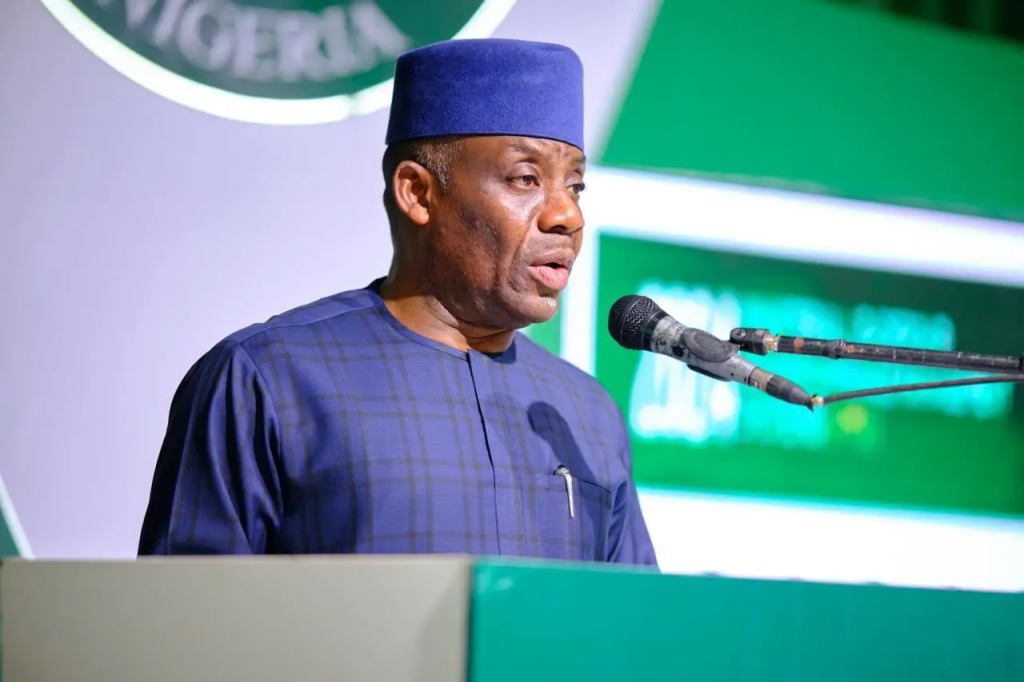
The Federal Government of Nigeria has released N2.3 billion to clear the backlog of arrears owed to staff unions in federal universities. Processed through the Office of the Accountant‑General of the Federation, the funds will be used to improve the welfare of both academic and non‑academic staff. The Minister of Education, Dr. Tunji Alausa, said the payment, totaling N2.311 billion, will be distributed to the benefiting institutions, which will receive payment alerts soon.
President Bola Tinubu is committed to resolving the lingering welfare and funding challenges in the education sector in a transparent and sustainable manner. In line with this commitment, the government is finalising the release of third‑party non‑statutory deductions and pension remittances to the Nigerian Universities Pension Management Company (NUPEMCO), a process expected to be completed in the coming days.
The government also announced plans to mainstream the Earned Academic Allowance (EAA) into university staff salaries starting in 2026, ensuring prompt and predictable payments. Additional funds have been released under the Needs Assessment of Nigerian Universities project, with corresponding budgetary provisions to sustain the initiative.
Dr. Alausa reaffirmed the government’s dedication to improving academic staff welfare and addressing long‑standing challenges in the sector. He noted that a significant portion of outstanding obligations has been paid over the past 26 months, while maintaining open communication with both academic and non‑academic unions. Engagements with the Academic Staff Union of Universities (ASUU) and other unions are being conducted in good faith, focusing on realistic and financially sustainable solutions. The Yayale Ahmed Negotiating Committee continues to facilitate dialogue between the government and tertiary institutions’ unions, ensuring that pending welfare‑related issues are addressed through honest and respectful discussion.
Overall, the Federal Government emphasizes responsible fiscal practices, prioritising long‑term stability and sustainability in the education sector, with the aim of improving the quality of tertiary education in Nigeria and addressing the concerns of academic staff and students.



Comments are closed for this story.