
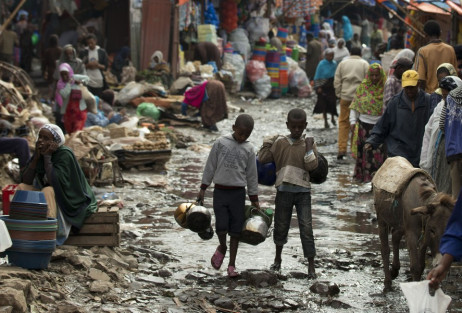
The Federal Government and ActionAid Nigeria have reaffirmed their commitment to eradicating poverty by 2030 through a coordinated, inclusive approach. This pledge was made at the High‑Level National Dialogue on Rethinking Poverty Reduction Strategies in Nigeria, held in Abuja. The event, themed “Prospecting for an Improved Living for Our Communities,” aims to address the rising multidimensional poverty that now affects 61 percent of Nigerians.
ActionAid Country Director Andrew Mamedu emphasized that poverty eradication requires shared responsibility, transparency, and a focus on rewarding productivity. He called for a comprehensive review of Nigeria’s poverty‑reduction strategies to ensure that economic growth benefits citizens. Despite the budget increasing dramatically—from N300 billion in 1999 to N54.5 trillion in 2024—poverty levels have not fallen proportionately. Mamedu expressed concern that, even with larger financial allocations to states and local governments, poverty persists. He cited China and India as examples of countries that have lifted millions out of poverty through investments in infrastructure, education, health, and social protection, and highlighted the need to curb illicit financial flows that cost an estimated $18 billion annually.
Minister of Budget and National Planning Senator Atiku Bagudu stressed the importance of fair compensation for hardworking Nigerians and of directing government support to those most in need. He affirmed that President Bola Tinubu’s administration is committed to building an inclusive economy driven by productivity and innovation. The Renewed Hope Development Plan aims to eliminate poverty entirely by 2030. Bagudu noted that ongoing reforms are yielding positive outcomes, including rising revenues and renewed investor confidence, and urged Nigerians to be patient and supportive as the benefits of these reforms become more visible with a strengthening economy.
ActionAid reiterated its commitment to supporting and holding the government accountable in the fight against poverty, outlining a 10‑year strategy to lift five million Nigerians out of poverty. The dialogue underscored the necessity of collaborative effort to address poverty in Nigeria. With the government’s pledge and the backing of organizations like ActionAid, there is a renewed sense of hope for a more prosperous future. The success of these initiatives will depend on stakeholders working together and ensuring that resources are used efficiently to drive development.




Comments are closed for this story.