
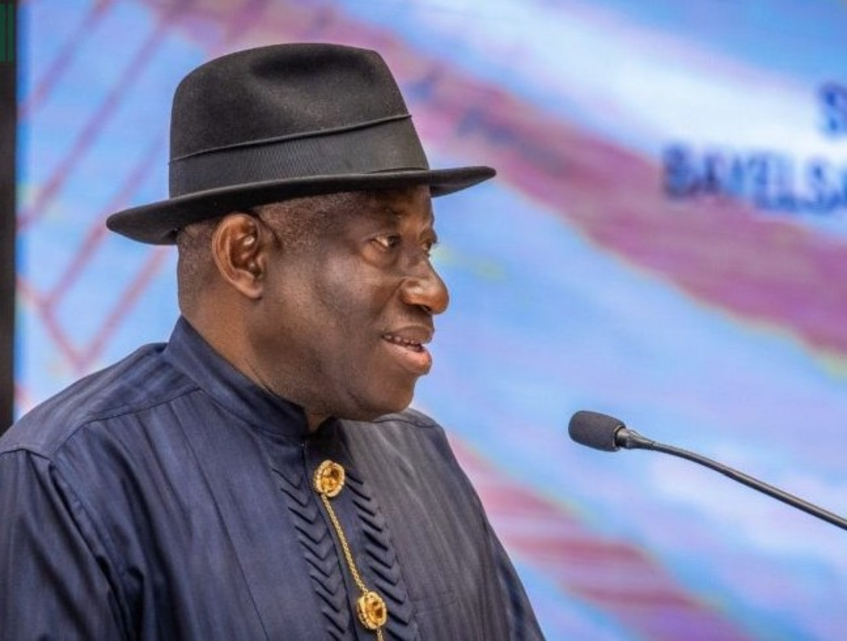
Former Nigerian President Goodluck Jonathan’s potential candidacy for the 2027 presidential election has been addressed by Justice Ayo Salami, a former President of the Court of Appeal. Salami says the Nigerian constitution bars Jonathan from running in 2027 because it limits any individual to two terms—or eight years—in office. Jonathan already served the remainder of the late President Umaru Musa Yar’Adua’s term before winning an election of his own, which means any further attempt to occupy the presidency would be unlawful.
Salami emphasized that if Jonathan were to contest and win the election, the courts would likely nullify the result for violating the constitution. In an opinion article, he declared Jonathan’s ambition to run in 2027 “effectively and undoubtedly shot down,” citing the constitutional framework that restricts presidential terms in Nigeria. The constitution is designed to prevent any person from serving more than two terms, thereby ensuring a peaceful transfer of power and averting the concentration of authority in a single individual.
The significance of Salami’s statement lies in its implications for Nigeria’s electoral process and the rule of law. Should Jonathan proceed with his candidacy, it could trigger a constitutional crisis and undermine the legitimacy of the election. As the 2027 polls approach, Jonathan’s eligibility is likely to remain a topic of discussion among Nigerians and international observers.
In Nigerian politics, the judiciary’s role in interpreting the constitution and enforcing its provisions is crucial. Courts have previously resolved electoral disputes and clarified constitutional matters, and they would likely be called upon again if Jonathan’s candidacy moves forward. Monitoring developments will be essential to assess their impact on Nigeria’s democratic process.




Comments are closed for this story.